When is a gas inspection required?
Whether you use natural gas, propane, or butane, a properly functioning system reduces the risk of gas leaks, fires, explosions, and carbon monoxide poisoning.
In various situations, a gas inspection is required by law. For example, when a natural gas system is newly connected, expanded, or modified. Propane or butane systems must also be inspected upon initial use and periodically thereafter.
Normec conducts these inspections in accordance with applicable laws and regulations. After a successful inspection, you’ll receive the official inspection report or certificate of conformity that you’ll need for your gas supplier or insurance company, among others.
Which gas inspection do you need?
Depending on your situation, we perform various gas inspections.
Natural Gas Inspection
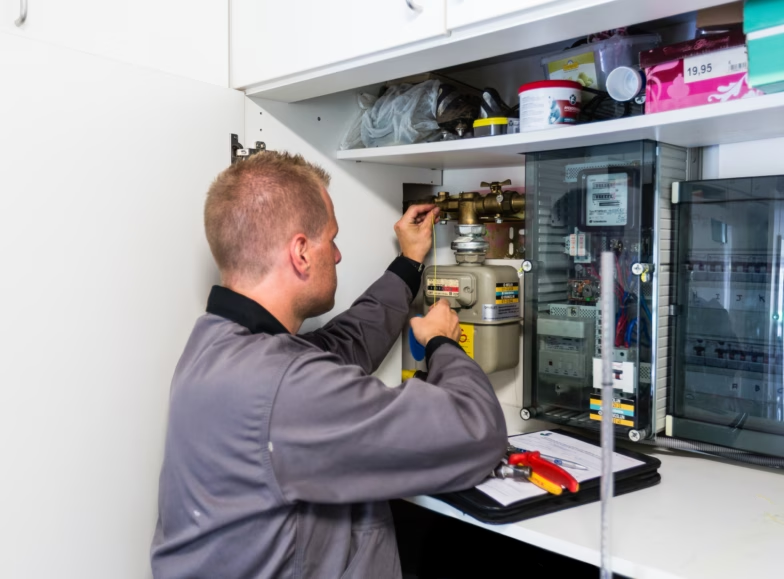
For a new or modified natural gas installation, our inspector will inspect the entire system. This includes examining the gas lines, gas appliances, flue gas exhaust, air supply, and the room where the installation is located. We also test whether the gas line is completely leak-free.
After a successful inspection, you’ll receive the certificate of conformity required to have the gas meter activated.
Inspection of Propane and Butane Systems
Do you use propane or butane for heating, cooking, or hot water production? If so, the system must be inspected both upon initial use and periodically thereafter.
During the inspection, we assess the entire system and check, among other things, the piping, gas appliances, flue gas exhaust, and leak-tightness. This helps minimize the risk of hazardous situations.
Inspection of Propane and Butane Storage
Do you have a permanent storage tank for propane or butane? If so, an approval report is required before the system is put into service. This is followed by a periodic inspection every five years.
Normec holds the appropriate BELAC accreditation and employs certified environmental experts to perform these inspections.
Flue Gas Analysis
A properly adjusted heating appliance is safer, more energy-efficient, and better for the environment. During a flue gas analysis, we measure, among other things, the levels of carbon monoxide, carbon dioxide, and oxygen in the combustion gases.
Afterward, you’ll receive a report with the measurement results and an assessment of whether your system meets legal requirements.
That’s why you choose Normec
A gas inspection is more than just a legal requirement. Above all, you want the assurance that your system is operating safely.
With Normec:
- You reduce the risk of gas leaks, fire, and CO poisoning
- You’re assured of a certified inspection in accordance with applicable regulations
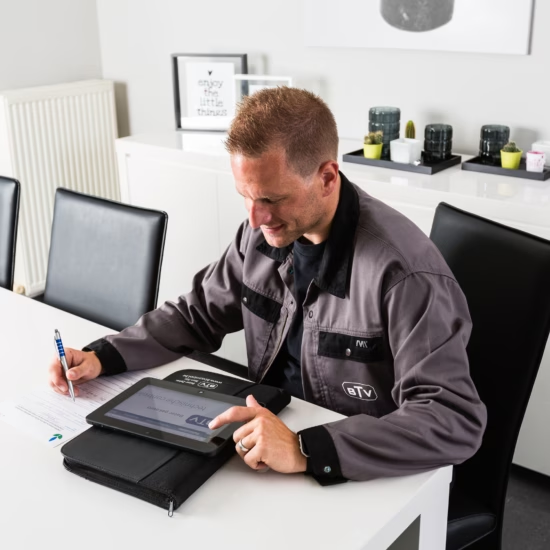
- You’ll receive an official digital inspection report
- You can count on experienced and expert inspectors
- Arrange your gas inspection quickly and easily
Live safely with a inspected gas system
A gas system that is inspected regularly reduces the risk of dangerous situations and ensures that your system continues to function reliably.
Not sure which gas inspection you need? Our specialists are happy to assist you and recommend the inspection that best suits your home and system.
Would you like to learn more about gas system inspections?
You might also be interested in these services
Frequently asked questions about gas inspections for residential customers
-
A natural gas inspection is required when a new natural gas system is connected or when an existing system is modified or expanded.
-
Among other things, we inspect the gas lines, gas appliances, flue gas exhaust, air supply, and the system’s leak-tightness.
-
Yes. These systems must be inspected upon initial use and then periodically thereafter, in accordance with applicable regulations.
-
A flue gas analysis is required for certain heating appliances. In addition, the analysis provides insight into the safety, combustion efficiency, and energy efficiency of your system.
-
After the inspection, you’ll receive an official digital report or a certificate of compliance that you can use for your gas provider, insurance company, or government agency.
-
A timely inspection helps prevent gas leaks, poor combustion, and carbon monoxide poisoning. This ensures a safer living environment and guarantees that your system meets legal requirements.