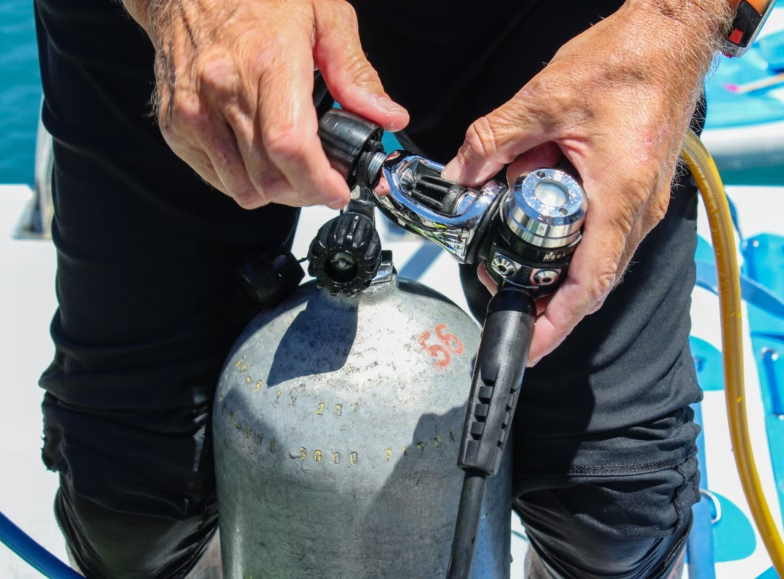
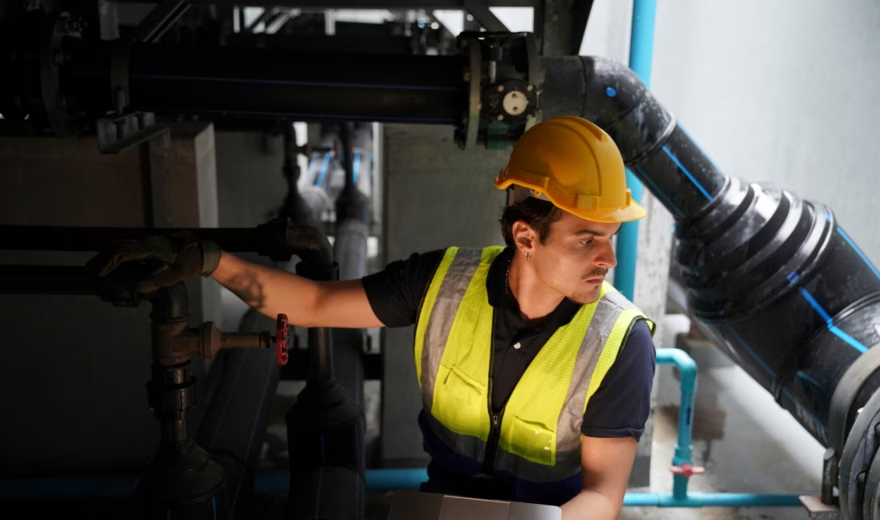
Working Safely with Pressurized Gas
Gas cylinders are under high pressure and must be used, stored, and transported safely. Damage, wear, or corrosion of the cylinder can pose risks that are not always immediately visible from the outside.
That is why there are requirements for the manufacture and periodic inspection of gas cylinders. Normec performs inspections on industrial gas cylinders and cylinders for inhalation gases, including scuba tanks, breathing air cylinders, and medical oxygen cylinders.
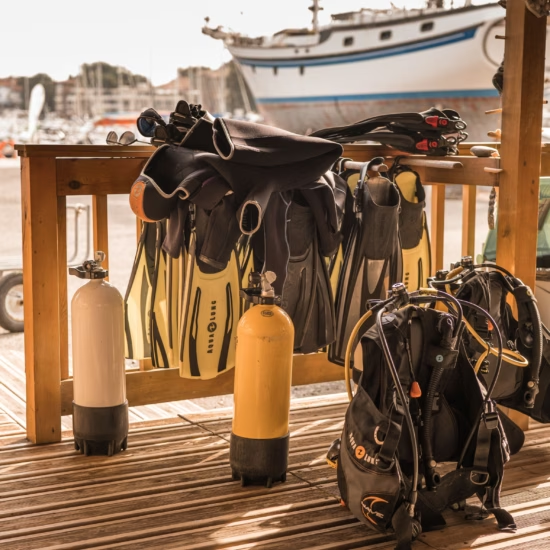
How We Inspect Your Gas Cylinders
During the inspection, our inspectors assess the internal and external condition of the gas cylinder. In addition, a hydraulic or volumetric test is performed. For industrial gas cylinders, Normec performs initial, periodic, and special inspections. This gives you insight into the cylinder’s condition and lets you know whether it can continue to be used safely.
The Right Inspection for Every Gas Cylinder
Not every gas cylinder has the same inspection frequency. For industrial gas cylinders, this depends on the type of gas, and the interval is typically five or ten years. Metal cylinders for compressed inhalation gases are inspected every five years. For scuba cylinders, the interval is 30 months.
For composite cylinders, the inspection frequency is determined by the manufacturer’s specifications or those of the accredited body that conducted the type testing.
With a periodic inspection:
- You gain insight into the internal and external condition of the cylinder
- You have the cylinder tested in accordance with applicable regulations
- You can identify damage and other defects in a timely manner
- You’ll know whether the gas cylinder can continue to be used safely
- You comply with the inspection requirements that apply to your cylinder
Knowledge of Gas Cylinders and Regulations
Industrial gas cylinders are subject to requirements set forth in the ADR and applicable standards. The European TPED Directive also sets requirements for transportable pressure equipment. Gas cylinders that meet these conditions may be marked with a Pi mark.
Different regulations apply to cylinders containing compressed inhalation gases, such as scuba tanks. Normec has the expertise to assess various types of gas cylinders in accordance with the applicable requirements.
Confidence for the Next Inspection
Gas cylinders often last for years. That is precisely why it is important to keep a close eye on their technical condition and inspection schedules. Periodic inspections reveal potential defects and provide clarity regarding continued safe use.
By having your cylinders inspected on time, you’ll know exactly where you stand and prevent an inspection date from passing unnoticed. This is how Normec helps you use your gas and scuba cylinders responsibly—both today and in the future.
Would you like to learn more about gas and diving cylinders?
You might also be interested in these services
Frequently asked questions about gas and diving cylinders
-
Normec performs inspections on industrial gas cylinders and transportable pressure equipment. We also inspect cylinders for inhalation gases, such as scuba tanks, breathing air cylinders, and medical oxygen cylinders.
-
According to the regulations on which Normec BTV bases its inspections, scuba tanks must be inspected every 30 months.
-
That depends on the type of gas. The inspection frequency is specified in the ADR and the applicable standards and is generally every five or ten years.
-
The inspector checks the internal and external condition of the gas cylinder. In addition, a hydraulic or volumetric test is performed.
-
No. For composite cylinders, the inspection frequency is determined by the manufacturer’s specifications or those of the accredited body that conducted the type testing. According to Normec BTV, this is typically every three or five years.
-
The Pi marking indicates that transportable pressure equipment complies with the applicable European requirements. Industrial gas cylinders that meet these requirements can therefore be filled and used within Europe.