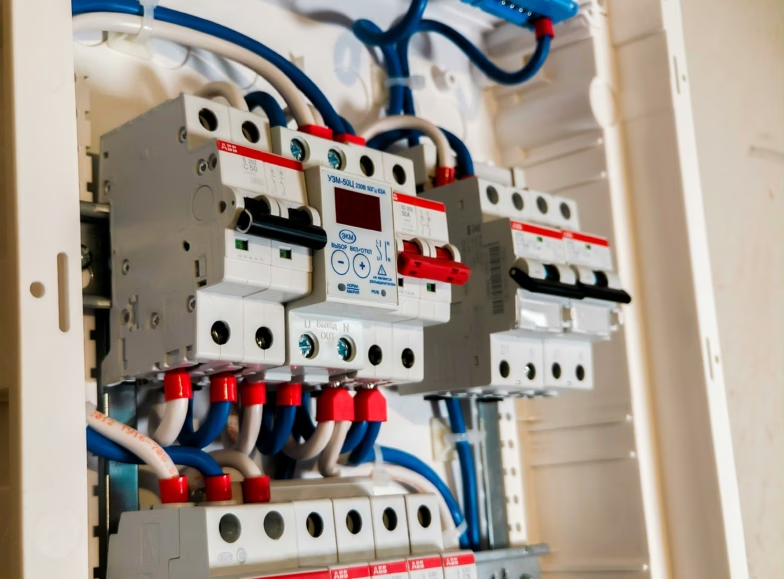
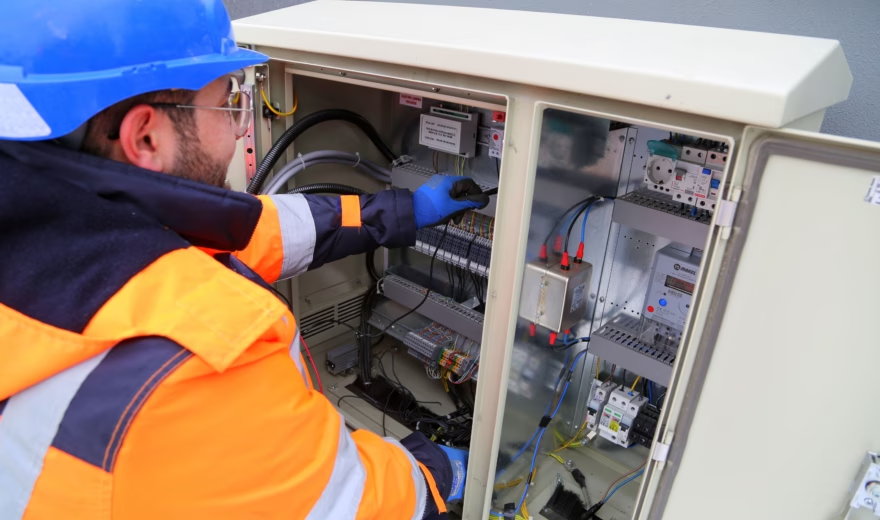
When is an electrical inspection mandatory?
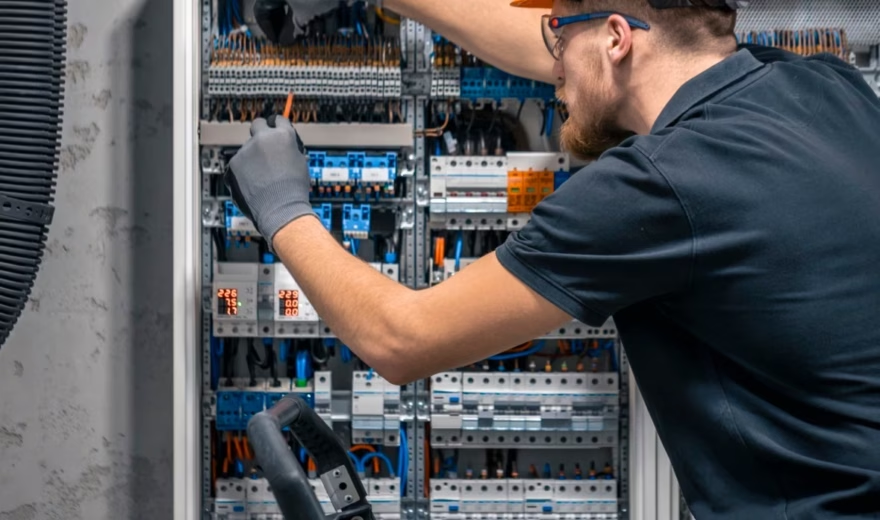
A safe electrical installation provides peace of mind. However, an inspection is not only important for your own safety; in many situations, it is also legally required. For example, when a new installation is installed, when solar panels or an EV charging station are installed, or when you sell your home.
Normec is an accredited inspection body and carries out all inspections in accordance with the General Regulations for Electrical Installations (AREI). Following a successful inspection, you will receive an official inspection report that you can use for the grid operator, notary or insurer.
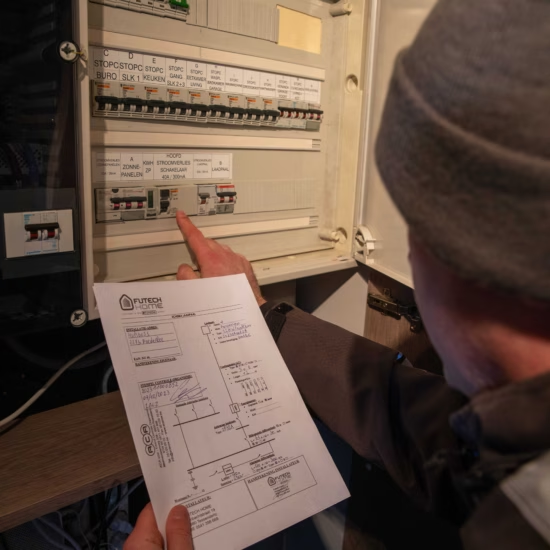
That’s why you choose Normec
An electrical inspection is about more than complying with legislation. Above all, you want to be sure that your installation is safe for you and your family.
With Normec:
- You can rely on an accredited electrical inspection in accordance with the AREI
- You receive a clear digital inspection report
- You quickly know whether your installation complies with all requirements
- You benefit from expert inspectors with years of experience
- You can arrange your inspection quickly and easily
Which electrical inspection do you need?
Depending on your situation, we carry out different types of inspections.
Inspection of a new electrical installation
Have you built a new home or completely renewed your electrical installation? In that case, an inspection is mandatory before the installation can be connected to the electricity grid. This ensures that everything has been installed safely and complies with the legal requirements.
Inspection when selling your home
Are you selling your home? You must be able to provide a valid inspection report for the electrical installation. The notary provides this report to the new owner as part of the sale. Specific rules apply to homes built before 1981.
Periodic inspection
Even after the installation has been put into use, maintaining a safe electrical installation remains important. That is why electrical installations in homes built or completely renovated after 1981 must be inspected periodically. This helps identify any defects in good time.
Inspection of solar panels
Solar panels produce direct current, which is converted into alternating current by an inverter. Before your installation is put into operation, an inspection is mandatory. After the inspection, you will receive an inspection report, which you must provide to your grid operator.
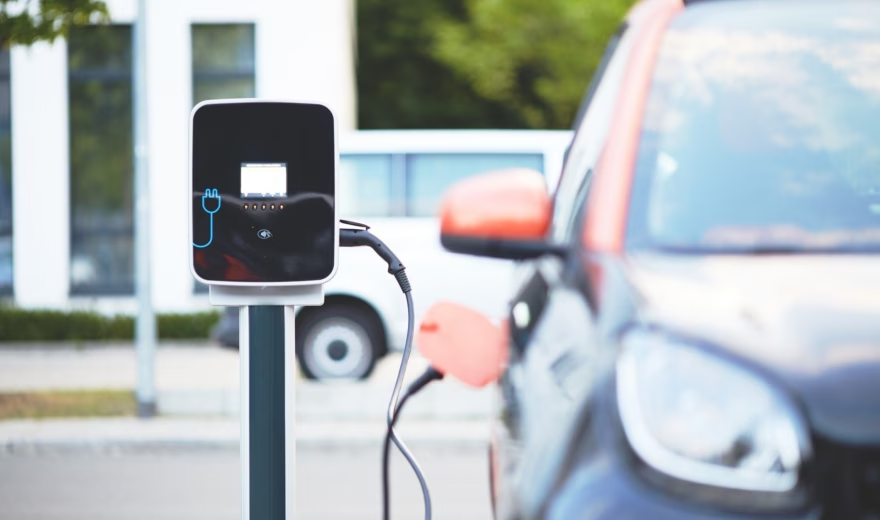
Inspection of an EV charging station
Are you having an EV charging station or an additional charging point installed? A new circuit is then added to your electrical installation. This extension must be inspected before you can safely use the charging station.
A Reliable Electrical Installation
A properly installed electrical system reduces the risk of malfunctions, fire and electric shock. By having your installation inspected in good time, you not only comply with legal requirements, but also protect your home and the people living in it.
Not sure which inspection you need? Our specialists will be happy to help and advise you on which inspection best suits your situation.
Would you like to learn more about a low-voltage inspection?
You might also be interested in these services
Frequently asked questions about low voltage inspection for customers
-
An electrical inspection is mandatory, among other situations, for a new installation, a major extension, the installation of solar panels or an EV charging station, and in certain cases when selling a home.
-
Yes. When selling a home, an inspection report for the electrical installation must be available. Specific rules apply to homes built before 1981.
-
Yes. Before a solar panel installation is put into operation, it must be inspected. You then provide the inspection report to the grid operator.
-
Yes. Since an EV charging station constitutes an extension of the electrical installation, an inspection is mandatory before it is put into operation.
-
After the inspection, you receive an official digital inspection report that you can use for the grid operator, notary or other authorities.
-
A periodic inspection helps identify wear and tear, corrosion and other irregularities in good time. This reduces the risk of leaks and unexpected problems.