Controlling a fire starts before it happens
A fire suppression system only kicks in when every second counts. That is precisely why it is important to know in advance whether the system is functioning properly. An independent inspection provides insight into the system’s operation and shows whether it meets the design specifications.
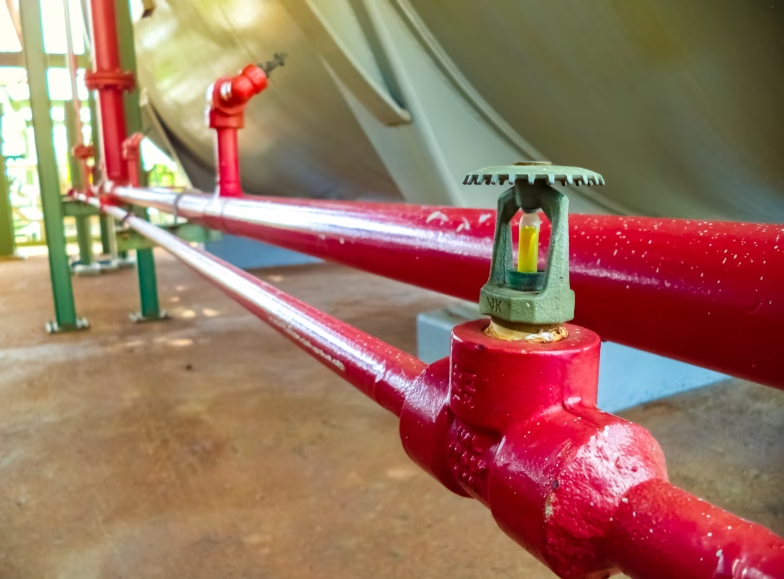
Fire suppression systems, such as sprinkler systems and other automatic suppression systems, are a critical component of fire safety in many buildings. In some situations, these systems are required by law or are used as an equivalent solution under the Building and Living Environment Decree (Bbl).
A comprehensive assessment of the system
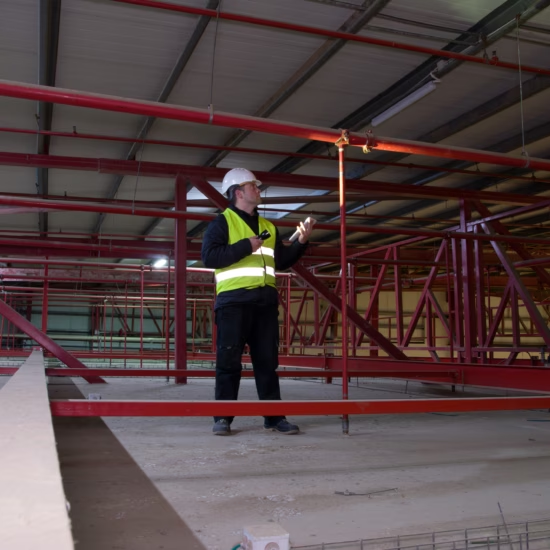
During our investigation, we look beyond the system itself. We assess the overall interplay between the technical system, the structural provisions, and the organizational measures necessary for a fire suppression system to function properly.
Depending on the situation, we examine, among other things:
- Sprinkler Systems
- Automatic fire suppression systems
- Water reservoirs and firewater supply systems
- Control systems and interfaces with other systems
- Compliance with the basic design and applicable inspection schedules
Upon completion, you will receive an inspection report detailing our findings. If all requirements are met, an inspection certificate can be issued.
Clarity for all parties involved
An inspection provides insight into the technical condition of the system, as well as whether it still meets the specified requirements. This gives you reliable information to make decisions regarding management, maintenance, and potential improvements.
You benefit from:
- Insight into the operation of the fire suppression system
- Clarity on areas of concern and risks
- An independent inspection report
- An inspection certificate when requirements are met
- Peace of mind for building owners, occupants, insurers, and regulatory authorities
Independent, expert, and accredited
A thorough inspection requires specialized knowledge. That’s why our inspectors work according to current inspection schedules and have extensive experience with a wide range of fire suppression systems.
Normec is accredited under ISO 17020. You can therefore count on an objective assessment, clear reports, and practical insights that will help you move forward.
Continuing to Meet the Required Standards
The initial inspection is followed by periodic inspections. These ensure that the system continues to function as intended and remains compliant with the requirements applicable to your building or organization.
Regular inspections help identify deviations early on and ensure that your fire suppression system is ready for use when it’s truly needed.
Would you like to learn more about fire suppression system inspections?
You might also be interested in these services
Frequently asked questions about fire suppression inspections
-
That depends on the system’s application and the applicable laws and regulations. When a fire suppression system is used as an equivalent solution under the Building and Living Environment Decree (Bbl), an inspection certificate is often required.
-
We inspect, among other things, sprinkler systems, automatic fire suppression systems, and the components that are part of the overall fire safety concept.
-
We assess the facility, its control systems, structural provisions, management, and organizational measures that affect the facility’s operation.
-
After the inspection, you will receive an inspection report. If the installation meets the inspection requirements, an inspection certificate can be issued.
-
After an initial inspection, periodic inspections are conducted. The frequency depends on the applicable inspection schedules and the requirements that apply to your specific situation.