Fire Suppression with Fire Suppression Gas
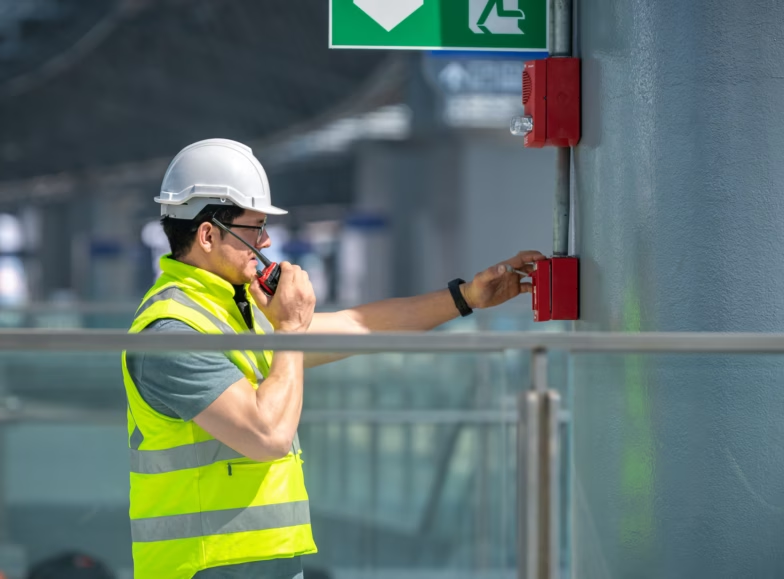
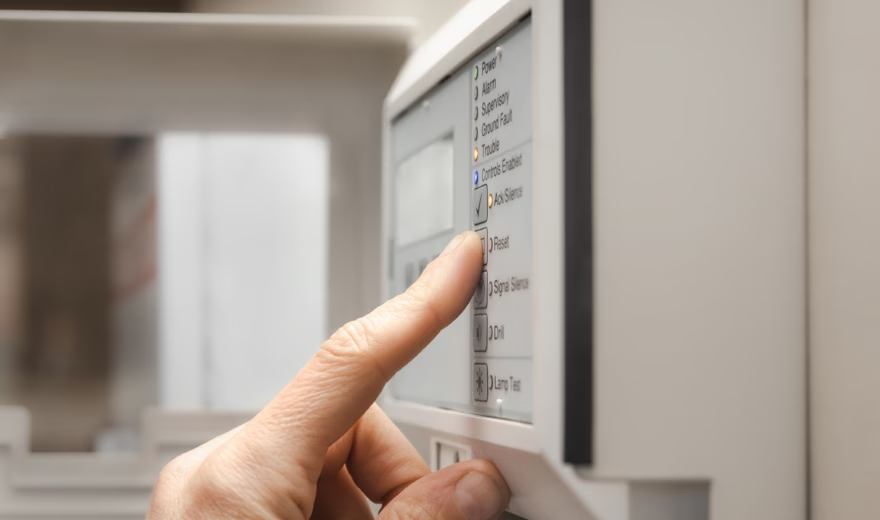
Not every space is suitable for a traditional fire suppression system. In a data center or museum, for example, water can cause significant damage. A fire suppression gas system offers an alternative in such cases. A fire suppression gas system extinguishes fires by releasing gas into a room or around an object. It works in conjunction with a fire alarm system. As soon as the alarm system detects smoke, it activates the fire suppression system.
There are two main groups of fire suppression gases:
- Inert fire suppression gases: reduce the oxygen level around the fire, thereby extinguishing it
- Chemical fire suppression gases: interfere with the combustion process, thereby stopping the fire
Which solution is appropriate depends, among other things, on the room, the materials present, and the desired level of protection.
When is an inspection required?
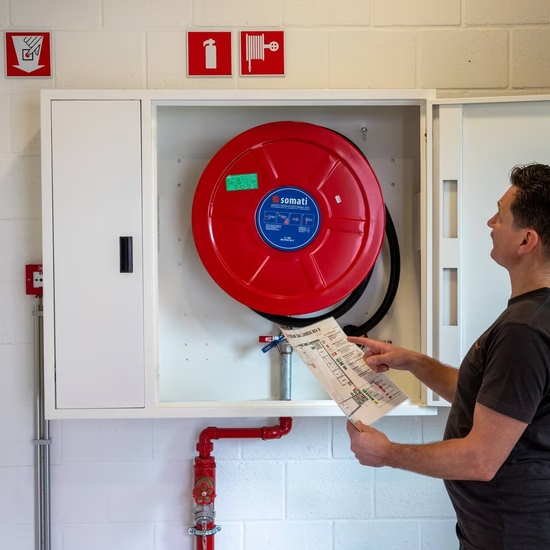
The Building and Living Environment Decree (Bbl) contains the national regulations for the fire-safe use of buildings. Sometimes, a fire suppression gas system is used as an equivalent solution to a requirement in building codes. In that case, the system must have an inspection certificate in accordance with the CCV inspection schedule.
Even when an inspection isn’t mandatory, you can have one performed voluntarily. For example, to ensure the proper functioning or current condition of your system. Or if you need an independent second opinion.
What do our inspectors check?
A fire suppression gas system must respond at the right time and achieve its predetermined objective. During the inspection, we assess whether the system meets these requirements. This objective must be traceable to the basic design, such as the Statement of Requirements (SOR).
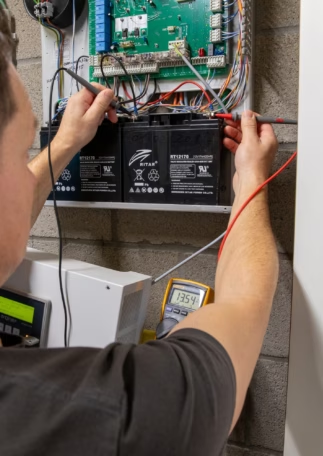
Our inspectors inspect the system and test the associated control systems. We also examine structural provisions and organizational measures, such as system management and the storage of materials. In doing so, we assess the integration between the fire detection system, the control system, and the suppression system.
What are the benefits of an inspection?
- Insight into the performance of your fire suppression gas system
- Clarity regarding the coordination between the fire alarm system and the fire suppression system
- Focus on relevant structural provisions
- Verification of the organizational measures
- An inspection certificate upon a positive assessment
Peace of mind with an inspection certificate
An inspection certificate demonstrates that the assessed fire safety system meets the specified requirements. To this end, we inspect not only the system itself but also the relevant structural and organizational measures.
Are all inspection points in order? Then you’ll receive an inspection certificate from Normec. You can use this, among other things, to demonstrate to your insurer that your fire protection meets the requirements.
Why choose Normec?
Our inspectors have extensive experience and specialized knowledge. Each has their own area of expertise, enabling us to expertly assess various aspects of fire safety. Normec is ISO 17020-accredited. This ensures the quality and independence of our inspections.
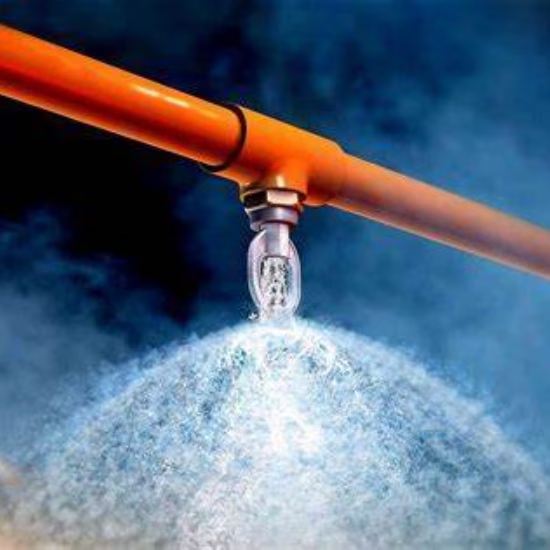
Periodic Re-inspection
We assess whether the system is being properly maintained and whether the installation still fulfills its original purpose. The inspection takes place annually or in accordance with the specific requirements applicable to the building or facility in question. This allows you to monitor the condition of your installation and ensure its continued proper functioning.
Have your fire suppression gas system inspected
You might also be interested in these services
Frequently Asked Questions About Fire Suppression System Inspections
-
In the event of a fire, a fire suppression gas system releases a fire suppression gas into a room or onto an object. The fire alarm system detects the fire and activates the suppression system.
-
Inert fire suppression gas reduces the oxygen level around the fire. Chemical fire suppression gas interferes with the combustion process. Both methods are intended to extinguish the fire.
-
Primarily at locations where water or other fire extinguishing agents can cause significant damage. Examples include data centers and museums.
-
We inspect the installation and its associated control systems. We also evaluate the structural provisions and organizational measures. In doing so, we verify whether the installation is achieving its established objectives.
-
You will receive an inspection certificate when all assessed components meet the specified requirements. This certificate allows you to demonstrate that the assessed fire safety measures are in order.
-
The initial inspection is followed by a periodic re-inspection. This usually takes place annually, unless different requirements apply to the building or property in question.