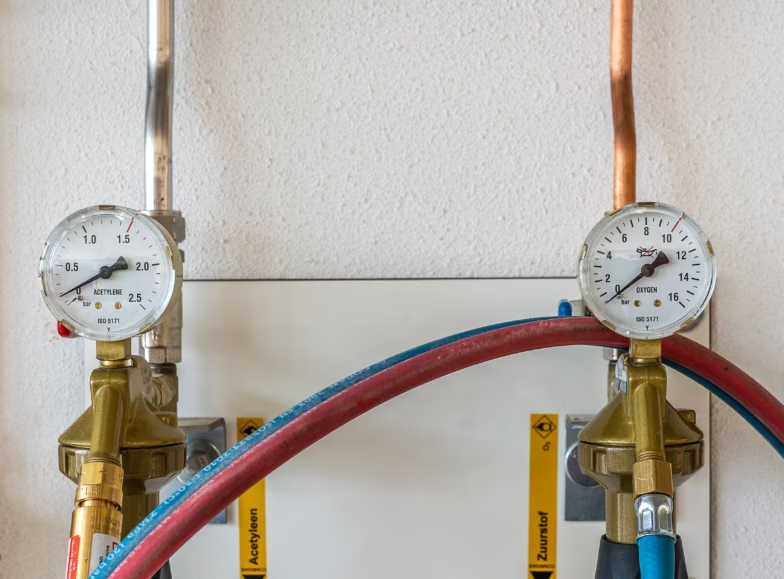
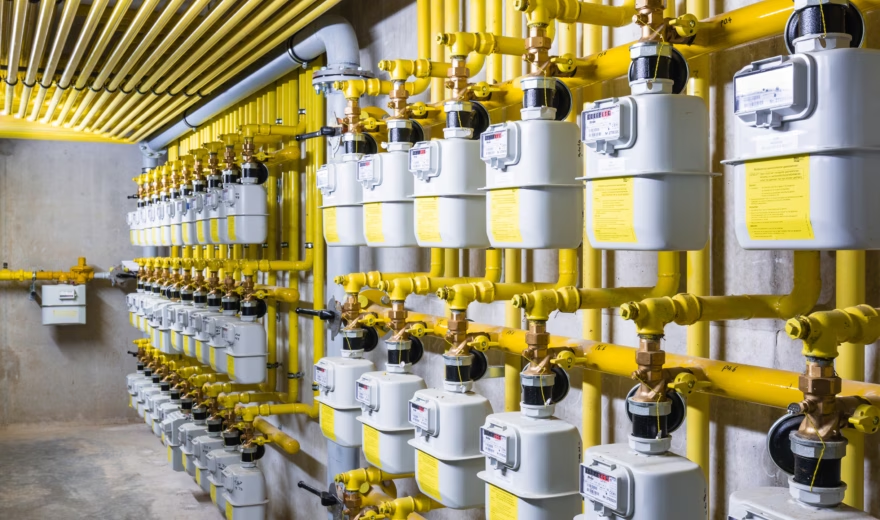
Ensure that oxygen-acetylene welding stations remain safe and reliable
Oxy-acetylene welding stations are used daily for welding, cutting, and heating operations. Intensive use can cause parts to wear out or become damaged, increasing the risk of leaks, flashbacks, or other hazardous situations.
De Codex Welzijn op het Werk requires employers to keep work equipment safe through proper maintenance and periodic inspections. Although no fixed inspection frequency is specified for oxygen-acetylene welding stations, regular inspections help identify risks in a timely manner and ensure employee safety.
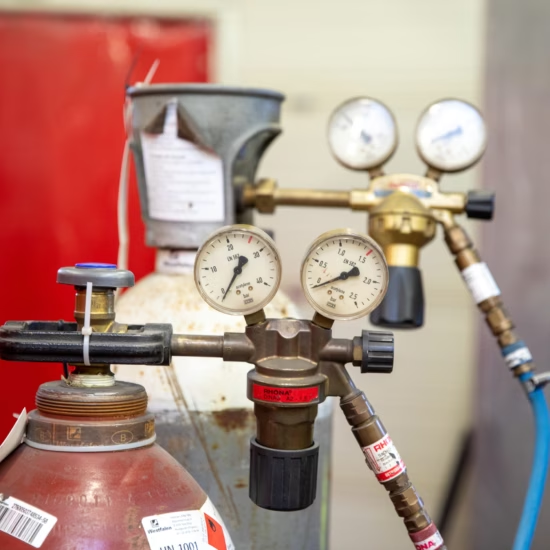
A comprehensive inspection of the welding station
During the inspection, our inspectors assess the entire oxygen-acetylene welding station. We check not only the general condition of the system but also the most important safety features.
The inspection includes, among other things, a leak test of the system at the normal operating pressure of the gas being used. In addition, we check for flame-back prevention devices, assess the condition of the elastomer hoses, and conduct a visual inspection of the entire welding station.
Afterward, you will receive a clear and concise inspection report in which the results, any non-conformities, and points of concern are clearly documented.
Minimize risks and fulfill your duty of care
By having your oxygen-acetylene welding stations inspected periodically, you demonstrate that you are actively working to ensure a safe work environment and fulfilling the obligations set forth in the Codex Welzijn op het Werk.
Specifically, this provides you with the following benefits:
- You reduce the risk of fire, explosions, and flashback
- You gain insight into the technical condition of your welding stations
- You comply with the obligation to keep work equipment safe
- You’ll receive a clear inspection report for your records
- You can identify wear and defects before they lead to risks
Inspections by experienced specialists
Although the law does not require a certified inspection body, many organizations opt for an independent inspection. This provides you with an objective assessment of the safety of your welding stations and a documented inspection report.
Normec has the knowledge and experience to carefully assess oxygen-acetylene welding stations. Our inspectors check the installation in accordance with
applicable safety regulations and clearly document any non-conformities.
A safe work environment
The employer determines how often a welding station must be inspected based on a risk analysis. In practice, an annual inspection is often chosen, especially for intensive or mobile use. If the risk analysis warrants it, a shorter inspection interval may be appropriate.
With periodic inspections, you keep your welding stations safe, comply with the administrative requirements of the Codex, and reduce the risk of unsafe situations within your organization.
Would you like to learn more about the inspection of oxygen-acetylene welding stations?
Deze diensten zijn wellicht ook interessant voor jou
Frequently asked questions about inspection of oxy-acetylene welding stations
-
Codex Welzijn op het Werk requires employers to keep work equipment safe and to inspect it periodically as needed. No fixed legal inspection frequency has been established for welding stations.
-
Among other things, we check the system’s tightness, the backfire protection devices, the
condition of the elastomer hoses, and the overall condition of the welding station. -
The inspection frequency is determined based on the employer’s risk assessment. In practice, an annual inspection is often chosen.
-
Yes. After the inspection, you’ll receive a clear report detailing the inspection results, any
nonconformities, and points for attention. -
An independent inspection provides an objective assessment of the safety of your welding
stations and helps you demonstrate that you are fulfilling your duty of care as outlined in the Codex. -
These safety devices prevent a flame from traveling back through the hose to the gas supply. This reduces the risk of serious accidents.