Keep Your Low-Voltage System Safe
A safe low-voltage installation is essential for the continuity of your organization. Daily use, wear and tear, and modifications can cause components to become less reliable. This increases the risk of malfunctions, outages, or even fire.
A low-voltage inspection provides insight into the technical condition of the system. This allows you to identify defects in a timely manner and ensures your system remains compliant with applicable laws and regulations.
An inspection is required, among other things:
- Before putting a new installation into service
- After major modifications or expansions
- Periodically, usually every five years
- Annually for temporary, mobile, and explosion-hazardous installations
The type of inspection and frequency required depend on local laws and regulations, the characteristics of the installation, and the conditions under which it is used.
An inspection that goes the extra mile
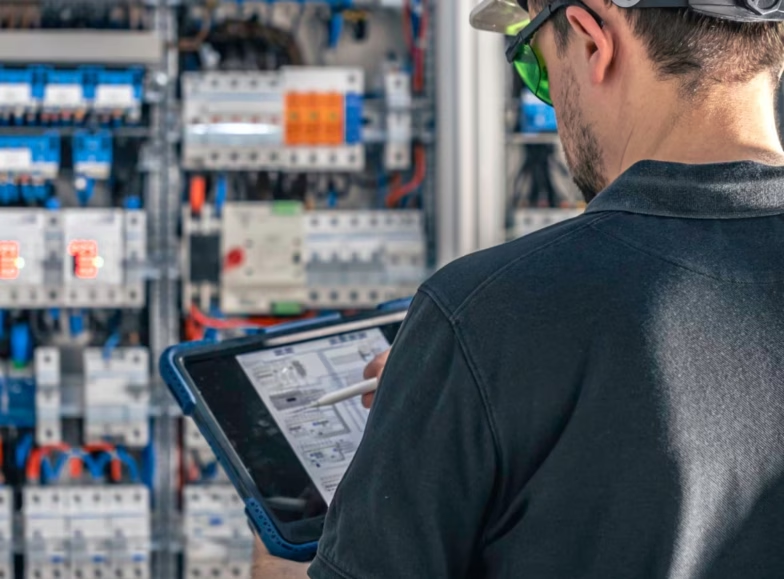
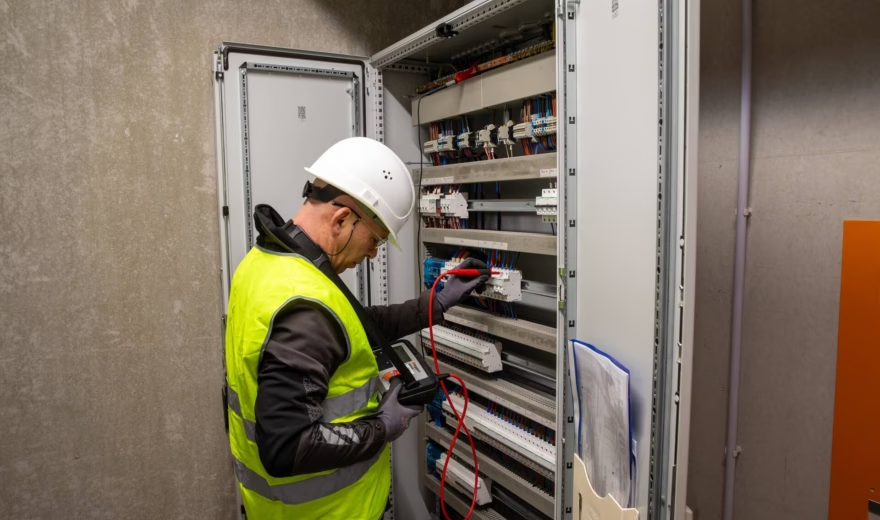
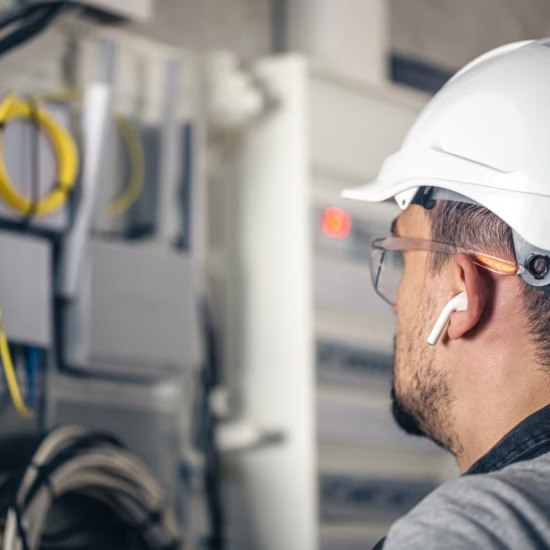
During the inspection, our specialists assess the entire low-voltage installation—from distribution panels, cabling, protective devices, and grounding systems to electrical connections.
Where necessary, we expand the inspection to include additional tests, such as thermographic inspections. Using thermal imaging, we quickly detect overheated connections and other hidden defects.
Depending on the installation, its use, and local requirements, additional inspections or specific inspection standards may apply. Our specialists will advise you on the approach that best suits your situation.
The Benefits of an Inspection
With a periodic inspection:
- You prevent malfunctions and unplanned downtime
- You reduce the risk of fire and electrical accidents
- You comply with relevant standards and inspection requirements
- Gain insight into the technical condition of your installation
- Make maintenance and investments more predictable
Inspections by experienced specialists
Normec inspects low-voltage installations in locations such as offices, manufacturing facilities, logistics centers, healthcare facilities, and educational buildings. Our inspectors work independently, in accordance with applicable standards, and with an eye toward day-to-day operations.
You’ll always receive a clear report that immediately shows you which components require attention and which parts of the installation are in compliance.
We’re here to help
A periodic low-voltage inspection helps you minimize risks, keep business processes running smoothly, and enhance the safety of employees and visitors. Whether it’s an initial inspection or a periodic check, our specialists are here to help.
Would you like to learn more about a low-voltage inspection?
You might also be interested in these services


Frequently asked questions about low-voltage inspection
-
This is required before commissioning, after major modifications, and periodically thereafter. For most commercial installations, the inspection interval is five years.
-
NEN 1010 describes the requirements for new electrical installations. NEN 3140 focuses on the safe management and inspection of existing low-voltage installations.
-
We check, among other things, distribution panels, cabling, protective devices, grounding systems, and connections. If necessary, we perform additional measurements or thermographic inspections.
-
Yes. After the inspection, you’ll receive a clear report detailing the results, any issues found, and recommendations for repairs or maintenance.