Capturing dust and fumes at the source
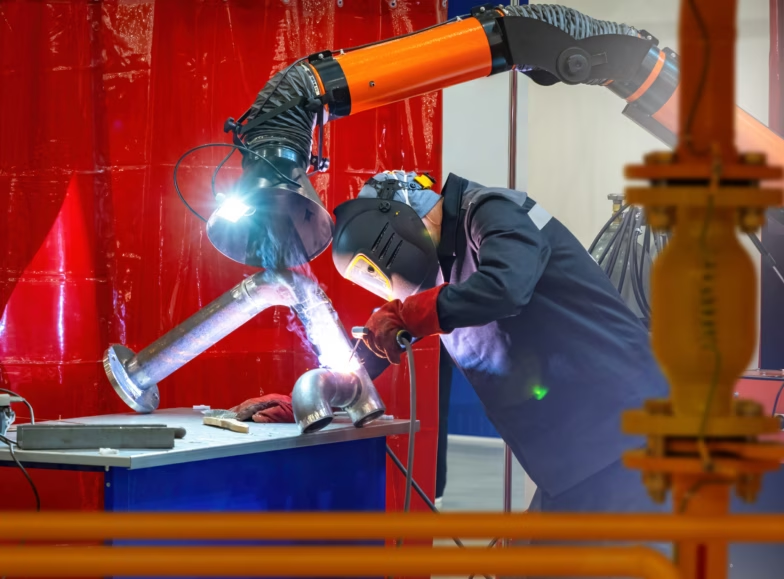
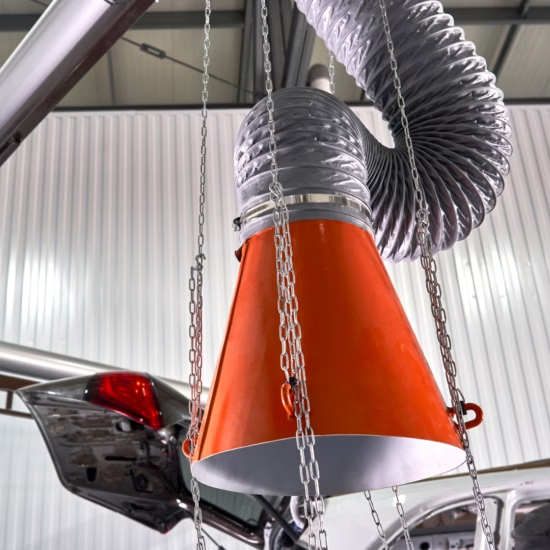
Welding, grinding, and other industrial processes can release harmful substances into the air. A capture system helps capture these substances before employees inhale them. This system is a form of Local Exhaust Ventilation (LEV). The source is located outside the exhaust hood. An airflow draws dust or fumes toward the opening and then exhausts the contaminated air.
Is the exhaust system too far from the source? If so, this can directly affect its effectiveness. Air movements in the surrounding area and changes in the work process also play a role.
What does a TExT tell you about your LEV system?
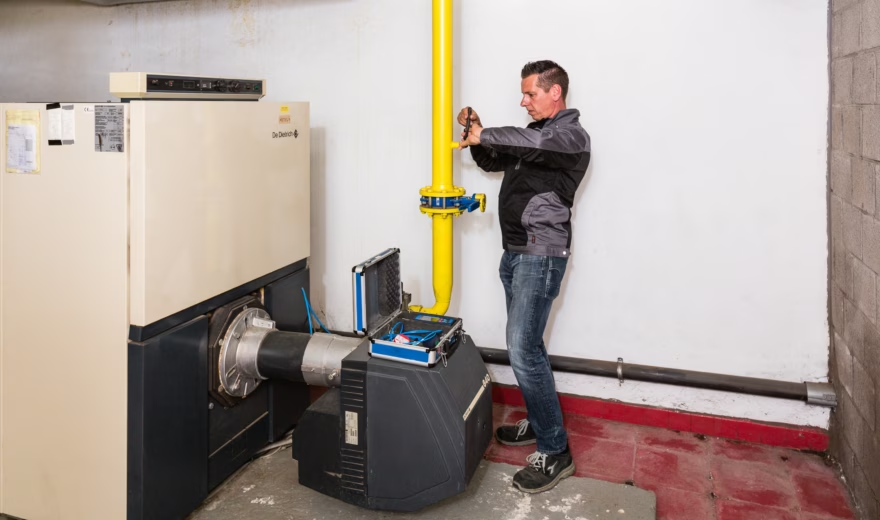
A running fan says little about the actual performance of an extraction system. A more thorough assessment is required for that. A Thorough Examination and Test (TExT) systematically examines and tests the LEV system, assessing its physical condition and relevant performance characteristics.
Normec performs these TExT inspections on capture systems. The results provide you with a well-founded understanding of the installation and reveal any defects or deviations.
Periodic testing in accordance with regulations
For most LEV systems, regulations require a Thorough Examination and Test at least every 14 months. Shorter intervals apply to certain applications.
What are the benefits of such a periodic TExT?
- You gain insight into the current performance of the capturing system
- You’ll identify defects and deviations that require attention
- You’ll have access to the results of the inspection and tests performed
- You can plan maintenance and improvements more effectively
- You can demonstrate that the periodic TExT has been performed
Afterward, you’ll receive a report with the findings. This gives you a clear basis for any follow-up steps.
Expert assessment of capturing systems
A capturing system does not operate in isolation. It must be suited to the source, the work being performed, and the conditions at the workplace. Normec incorporates this technical context into the assessment. Our inspectors examine both the system itself and the function it serves at that specific workplace.
Has anything changed since the system was put into service? That, too, can affect its performance. For example, a TExT not only provides information about the technical condition but also helps you maintain control over the protection that the LEV system is designed to provide.
Want to have a TExT performed on your capture system?
You might also be interested in these services
Frequently asked questions about the inspection of dust and fume extraction systems
-
A capturing system is a local exhaust system in which the source is located outside the range hood. The airflow draws contaminated air toward the opening, after which it is vented.
-
TExT stands for Thorough Examination and Test. It is a thorough periodic inspection and test of a LEV system.
-
For most LEV systems, regulations stipulate a maximum interval of 14 months between inspections. Shorter intervals apply for some applications.
-
No. Maintenance focuses on keeping the system in good working order. A TExT periodically inspects and tests the condition and performance of the LEV system.
-
LEV stands for Local Exhaust Ventilation: a system that controls and removes contaminated air close to the source.
-
You will receive a report containing the results of the TExT and the findings regarding the system that was examined.