Heat Transfer Without Undesired Exchange
A heat exchanger transfers heat from one medium to another. In this process, the different liquids or gases normally remain separate from one another. This places demands on the design. The system is subjected to pressure, temperature differences, and varying operating conditions. Over time, these stresses can affect its technical condition.
How do you know if the heat exchanger is still structurally sound? An expert inspection helps provide clarity on this.
Inspection of pressure-containing components
A small defect in a heat exchanger can have consequences beyond just efficiency. Damage or leakage can cause media to be released or come into contact with one another.
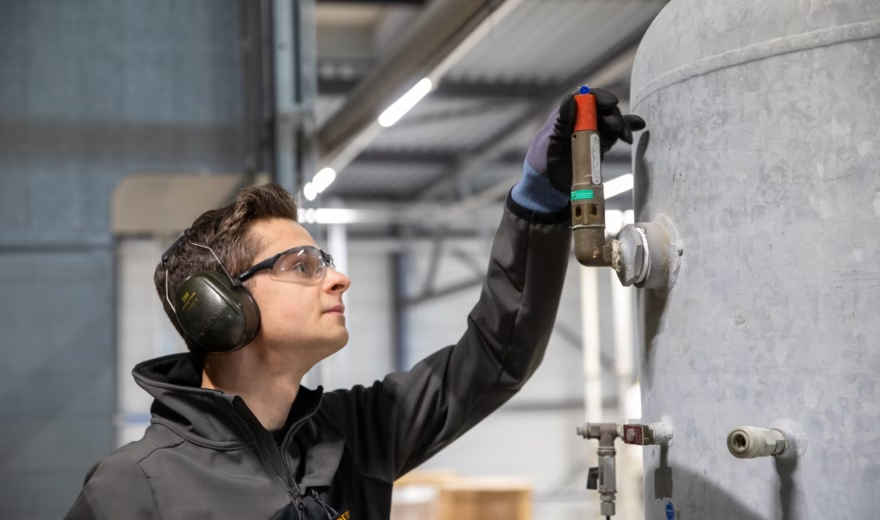
Normec inspects heat exchangers with a focus on the technical condition of the pressure-retaining components and relevant safety aspects. The specific inspections required depend, among other things, on the type of unit, its construction, and its intended use.
Technical Considerations
Heat exchangers are often at the heart of a process. Downtime is the last thing you want. Timely insight into their condition helps you plan maintenance more effectively and address technical issues in a targeted manner.
An inspection helps you:
- Gain insight into the condition of pressure-retaining components
- Identify potential damage and defects
- Identify potential issues that could cause leaks
- Better justify maintenance and repairs
- You’ll have a clear report of the findings
Expert inspection of pressure equipment
Normec has expertise in the inspection of pressure equipment and tailors the assessment to the specific unit and application. The findings are clearly documented, so you know which areas require attention.
This provides you with technical information you can use to move forward—no more than necessary, but exactly what’s relevant for the responsible management of your heat exchanger.
Want to have your heat exchanger inspected?
You might also be interested in these services
Frequently asked questions about inspection of heat exchangers
-
A heat exchanger transfers heat between different liquids or gases without them normally mixing directly with one another.
-
Pressure, temperature, and usage can affect their technical condition. An inspection helps identify defects or damage to relevant components.
-
The inspection depends on the type of heat exchanger, its construction, and its application. Among other things, attention is paid to the technical condition of pressure-retaining components.
-
A leak can affect the operation of the process and can cause a medium to be released or different media to come into unwanted contact with each other.
-
That depends on the type of unit, its use, and the requirements that apply to the installation. Normec can determine which inspection is relevant for your situation.
-
You will receive an inspection report clearly documenting the findings and any areas of concern.