Working safely with steam
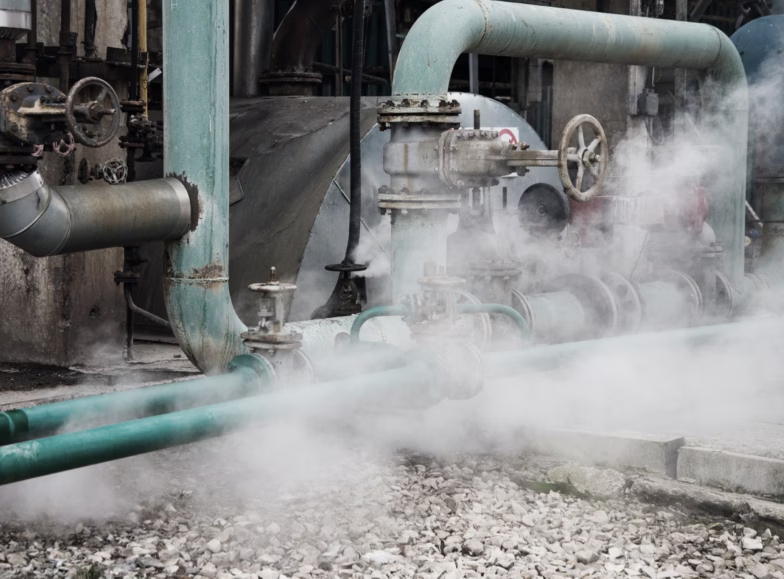
Steam equipment operates under pressure and often at high temperatures. From a steam boiler in a manufacturing environment to an autoclave: you want to be able to trust that the equipment and its safety features are functioning properly.
Wear, corrosion, or a defective part isn’t always immediately visible. A periodic inspection helps identify technical defects in a timely manner. Normec inspects various types of steam equipment, including steam boilers, steam vessels, autoclaves, and heat exchangers.
What do we inspect in a steam appliance?
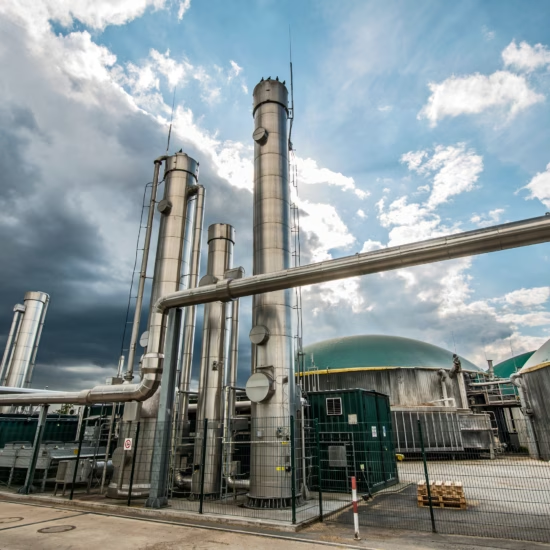
A steam appliance consists of more than just a pressure vessel. It is precisely the safety features that activate when something goes wrong that play a crucial role in ensuring safe operation. Depending on the equipment, Normec can perform both internal and external inspections. These inspections focus on the technical condition and various safety features.
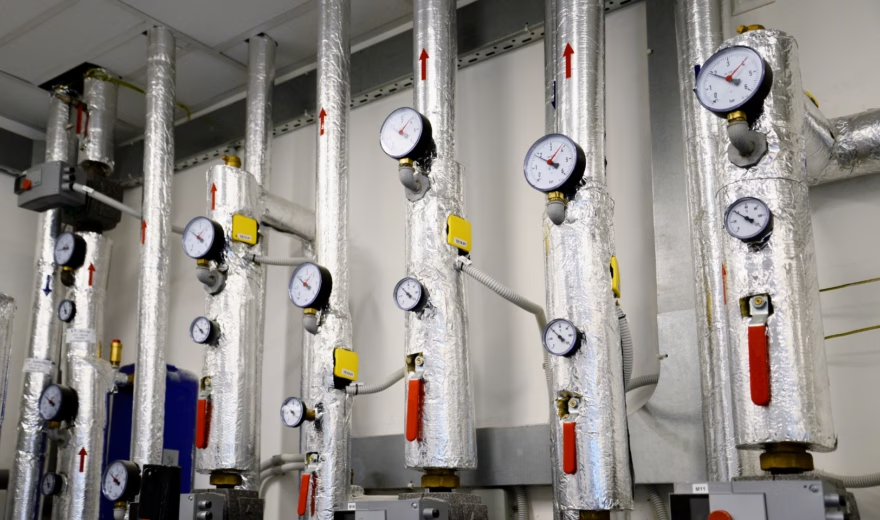
These include safety valves and protections against overpressure, low water levels, or dry firing. Gas and burner safety devices may also be part of the inspection.
Preventing problems
When should a component be addressed? And which findings require immediate attention? An inspection helps you make informed decisions in these matters.
You’ll gain:
- Insight into the technical condition of the steam generator
- Inspection of relevant safety features
- Identification of corrosion, wear, or other defects
- Clear points of focus for maintenance or repair
- An inspection report detailing the findings
From steam boilers to heat exchangers
Not every steam appliance has the same function or design. The method used to assess an appliance must therefore be tailored to the type of installation.
Normec has expertise in inspecting a wide range of pressure equipment. In addition to steam boilers and steam generators, this includes steam vessels, autoclaves, and heat exchangers. Depending on the unit, various inspections and tests may be relevant.
Afterward, the findings are clearly documented. This way, you know the status of the installation and what, if anything, is needed to keep it operating safely and reliably.
Want to have your steam equipment inspected?
You might also be interested in these services
Frequently asked questions about the inspection of steam equipment
-
Normec inspects various types of steam equipment and pressure vessels, including steam boilers, steam generators, steam drums, autoclaves, and heat exchangers.
-
Steam appliances operate under pressure and at high temperatures. An inspection helps identify defects in the appliance and its safety features.
-
Depending on the type of appliance and the required inspection, both internal and external inspections may be performed.
-
Depending on the installation, inspections may include safety valves and safeguards against overpressure, low water levels, and dry firing. Gas and burner safety devices can also be inspected.
-
The findings are documented in the inspection report. This lets you know what issues need attention and where maintenance, repairs, or further investigation may be necessary.
-
Yes. After the inspection, the findings are documented in an inspection report.