When is an inspection of fuel lines required?
Fuel lines are a critical link between the fuel supply and a combustion system. To ensure the safety of people, the system, and the surrounding area, these lines must be inspected both upon commissioning and periodically thereafter.
The inspection requirement is set forth in the Besluit bouwwerken leefomgeving (Bbl). An Eerste Bijzondere Inspectie (EBI)must take place within six weeks of commissioning. This is followed by periodic inspections in accordance with the applicable SCIOS guidelines.
SCIOS Scope 7 applies to various types of fuel lines, including:
- Natural gas lines from the gas meter to the combustion system
- Oil lines between the storage tank and the system
- Pipes for propane, butane, and other liquefied gases

From commissioning to periodic inspection
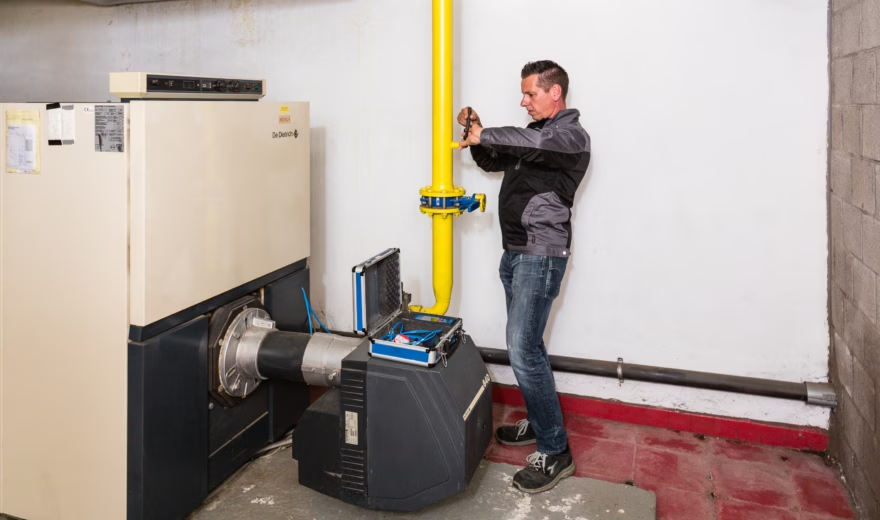
During the inspection, we assess whether the pipeline has been designed, installed, and tested in accordance with applicable standards. We also verify that the system can be used safely and does not pose any unnecessary risks to people or the environment.
We document the results in a basic report. Does the fuel line meet all requirements? If so, the system receives a certificate of commissioning. This report then serves as the basis for periodic inspections.
During a periodic inspection, we check, among other things:
- The technical condition of the fuel line
- The operation of shut-off valves and safety devices
- The integrity of the line and any leaks
- The calibration of pressure-regulating equipment, where applicable
If any defects are found, we will recommend the necessary repair or maintenance work to ensure compliance with legal requirements.
Which SCIOS Scope applies?
Fuel lines fall under SCIOS Scope 7 but are subdivided into three inspection areas.
SCIOS Scope 7a
For gas-fired installations with a nominal gas pressure below 0.5 bar.
SCIOS Scope 7b
For gas-fired installations with a nominal gas pressure higher than 0.5 bar.
SCIOS Scope 7c
For non-gas-fired systems, such as oil-fired systems, regardless of operating pressure.
Not sure which scope applies to your system? Our specialists are happy to help you determine the correct inspection requirement.
Why a periodic inspection is important
A periodic inspection is more than just a legal requirement. It gives you insight into the condition of your fuel line and prevents minor defects from developing into safety risks or malfunctions.
With a SCIOS Scope 7 inspection:
- You comply with legal inspection requirements
- You minimize the risk of leaks and safety hazards
- You gain insight into the technical condition of the fuel line
- You’ll have up-to-date inspection reports on hand for audits
- You prevent unexpected downtime through timely maintenance
For gas-fired systems, a periodic inspection is generally required every four years following the EBI. For SCIOS Scope 7b, an annual visual inspection of the piping system and control equipment is also required. For SCIOS Scope 7c, the inspection frequency depends on the inspection interval of the connected combustion system.
Additional requirements may also apply when fuels are stored. Depending on the situation, the PGS guidelines, among others, may apply.
Assurance of a safe fuel pipeline
Normec’s SCIOS-certified inspectors have the knowledge and experience to assess fuel lines in accordance with current laws and regulations.
After each inspection, you’ll receive a clear report detailing the findings and any recommendations. This way, you’ll know exactly where you stand, and your system will remain safe, reliable, and compliant.
Would you like to learn more about fuel line inspections?
You might also be interested in these services
Frequently asked questions about fuel lines
-
An EBI must be conducted within six weeks of a new fuel line being put into service.
-
Scope 7a applies to gas lines up to 0.5 bar. Scope 7b is intended for gas lines above 0.5 bar. Scope 7c applies to non-gas-fired fuel lines, such as oil lines.
-
For gas-fired systems, periodic inspections are generally conducted every four years. For other systems, the frequency depends on the applicable SCIOS guidelines.
-
Among other things, we check the technical condition of the piping, the operation of valves, the pressure control equipment, and the integrity of the piping system.
-
You will receive a report detailing the findings and recommendations regarding the necessary repair or maintenance work to ensure compliance with legal requirements.
-
Yes. Depending on the type of fuel being stored and the storage method, additional PGS guidelines may apply.