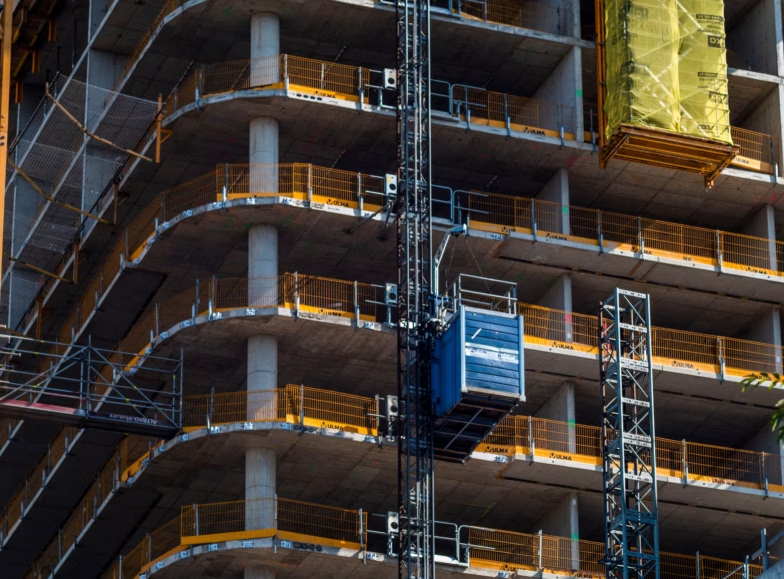
A Safe Transport Platform
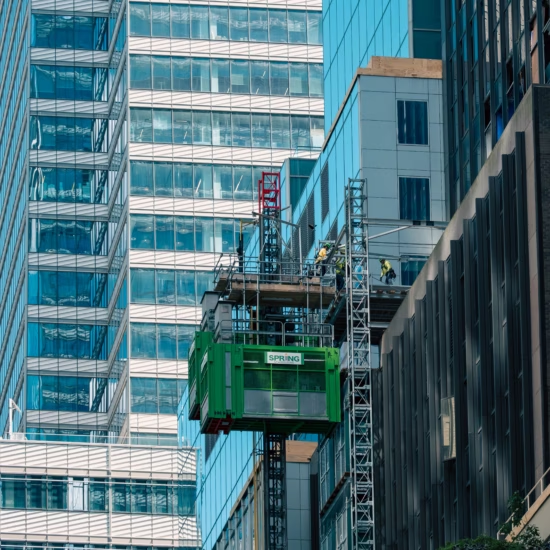
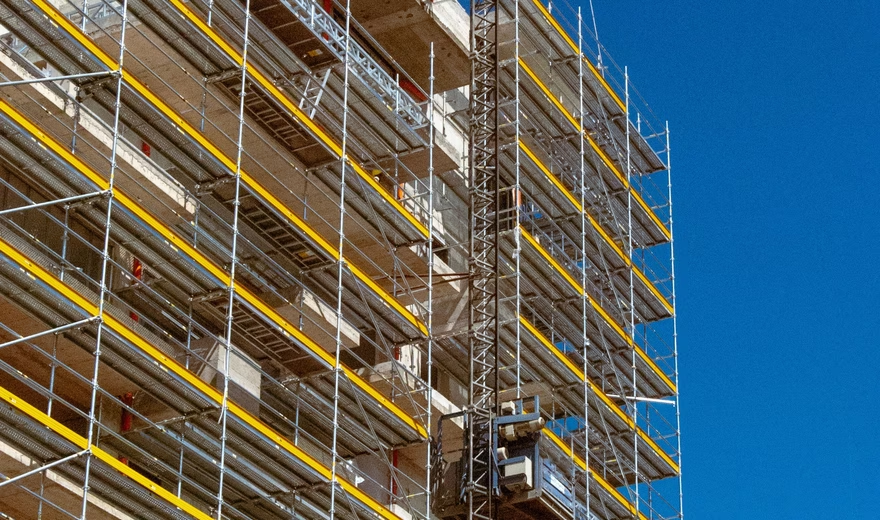
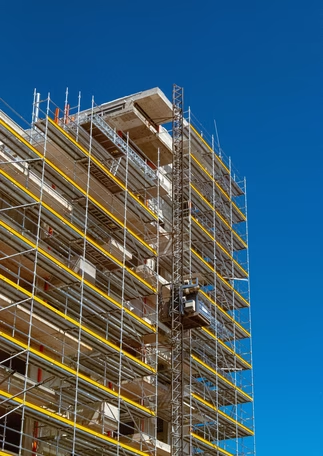
A transport platform is an indispensable part of any construction site. Every day, it transports materials between different floors and is subjected to intensive use, varying loads, and a range of weather conditions. That is precisely why it is important to ensure that the system continues to operate safely.
Through periodic inspections, Normec verifies whether your transport platform still complies with applicable safety regulations. This helps you minimize risks, prevent unsafe situations, and keep your operations running smoothly without unnecessary interruptions.
What do we check during an inspection?
During the quarterly inspection, our inspector assesses the technical condition of the transport platform. We examine not only the system itself but also how it has been installed.
In addition, the load limit is tested once a year using test weights. This allows us to verify that the system activates correctly when the maximum load is reached or exceeded.
More Than a Legal Requirement
A periodic inspection is more than just a legal requirement. It provides insight into the technical condition of your transport platform and allows you to address any issues early on. This helps prevent minor defects from escalating into costly repairs or unplanned downtime.
With a periodic inspection by Normec:
- You comply with legal inspection requirements
- You enhance safety on the construction site
- You prevent unexpected downtime of your transport platform
- You’ll gain timely insight into wear and technical issues
- You’ll work on every construction project with greater confidence
Peace of mind thanks to Normec’s expertise
Normec’s inspectors have extensive experience with hoisting and lifting systems in the construction industry. During each inspection, they assess not only the system itself but also the safety of the entire setup. This gives you a clear picture of the technical condition of your transport platform and helps you identify any areas requiring attention.
Would you like to know more about the condition of your transport platform?
You might also be interested in these services

Frequently asked questions about inspection of a transport platform
-
In practice, a transport platform is typically inspected every three months. This ensures that the system continues to meet the applicable safety requirements.
-
Among other things, we check the overall construction, the safety features, the attachment to the support structure, and the technical condition of the transport platform.
-
A load test allows us to verify that the load limiter responds correctly when the maximum load is reached or exceeded.
-
Make sure the user manual, any load charts, and—if applicable—the previous inspection report are available.
-
Yes. During the inspection, a qualified operator must be present who can operate the transport platform and answer the inspector’s questions.
-
The required test weights are provided by the owner, installer, or manufacturer of the transport platform.