The Right Approach for Your Situation
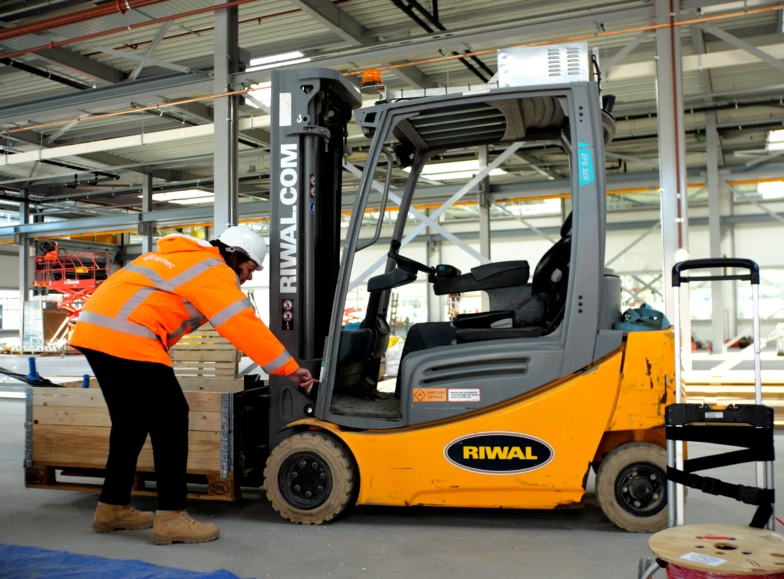
Telehandlers, stackers, and forklifts are indispensable tools in warehouses, production environments, distribution centers, and on construction sites. However, the same legal requirements do not apply to every application. The way a machine is used determines which inspection or certification is required.
Is a telehandler or forklift used for lifting loads or transporting people? If so, an initial inspection and periodic inspections by a certified inspection company are required. If the equipment is used exclusively for internal transport, different rules apply.
Normec helps you determine the correct inspection approach for your situation.
Both Initial Commissioning and Periodic Inspections
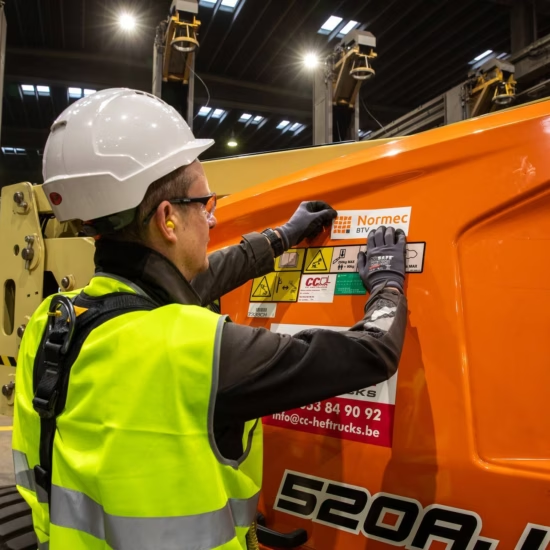
Every organization uses telehandlers and forklifts differently. That’s why our inspectors look not only at the equipment itself but also at how it’s used. When a statutory inspection is required, we perform both the initial inspection and periodic inspections.
Is your forklift or telehandler used exclusively for internal transport? Even in that case, an independent inspection can be valuable. It provides insight into the technical condition of the equipment and lets you know whether it can continue to be used safely.
Greater control over safety and operational readiness
An inspection isn’t just about complying with regulations. It also helps you prevent unexpected problems and improves safety on the job site.
Here’s what you’ll gain:
- Clarity regarding the inspection requirements for your equipment
- Greater confidence in the safe operation of telehandlers and forklifts
- Reduced risk of malfunctions and unplanned downtime
- An independent assessment of the equipment’s technical condition
- An inspection report with clear findings
Expert advice for every application
Regulations governing telehandlers and forklifts depend on their intended use. This can sometimes make it difficult to determine which obligations apply to your organization.
Normec can help you with this. Our inspectors assess each situation independently and recommend which inspection or certification is necessary. This helps you avoid confusion about responsibilities and ensures that your equipment is used safely and responsibly.
Would you like to learn more about inspections for your telehandler or forklift?
You might also be interested in these services
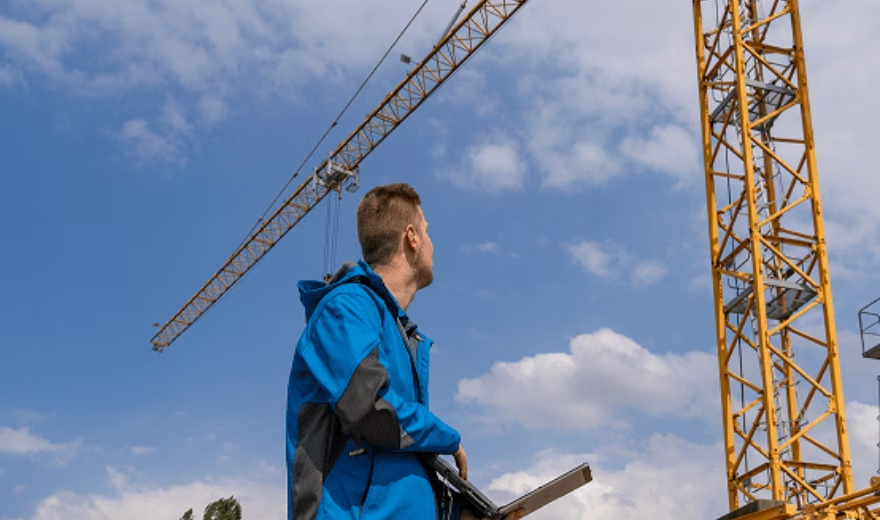
Inspections of cranes and mobile elevating work platforms
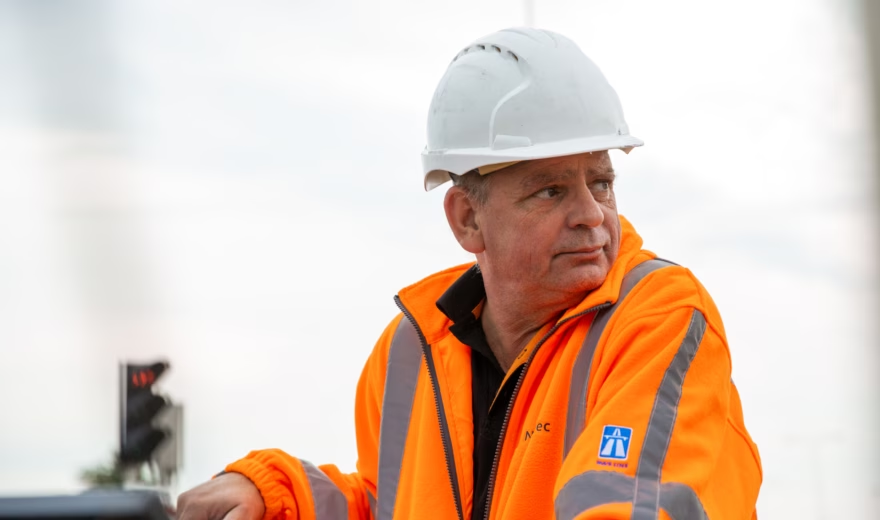
Inspection of Material and Ladder Lifts
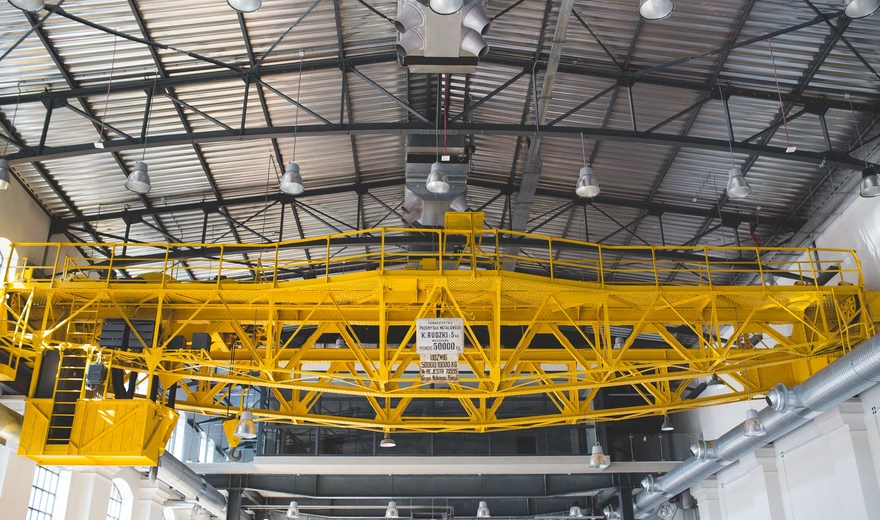
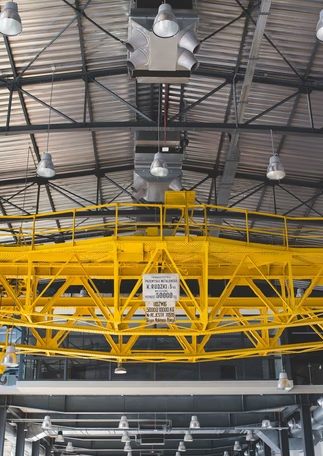
Inspection of overhead cranes, hoists, and workshop cranes
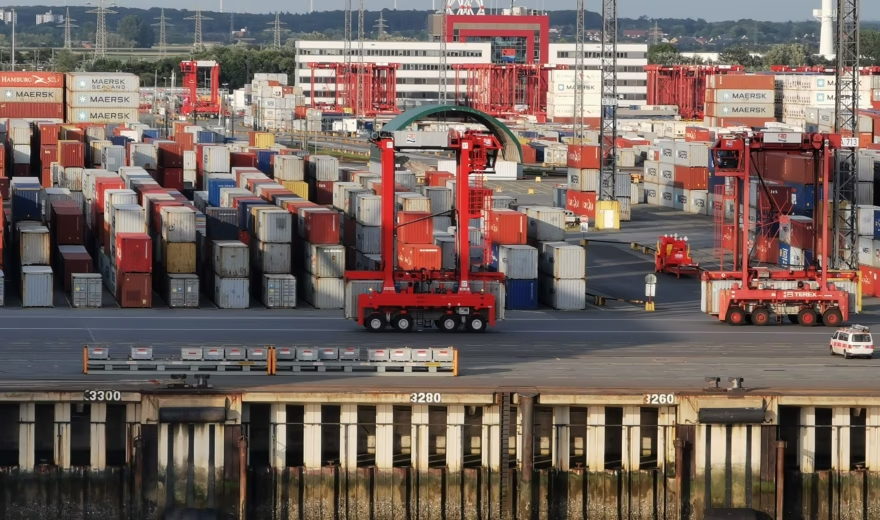
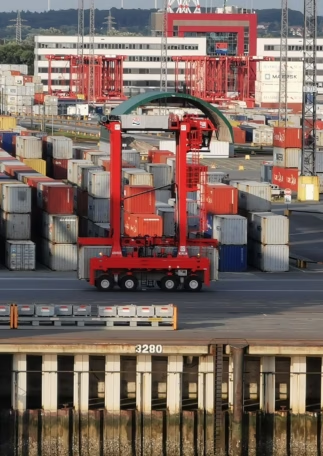
Inspections of gantry lift trucks
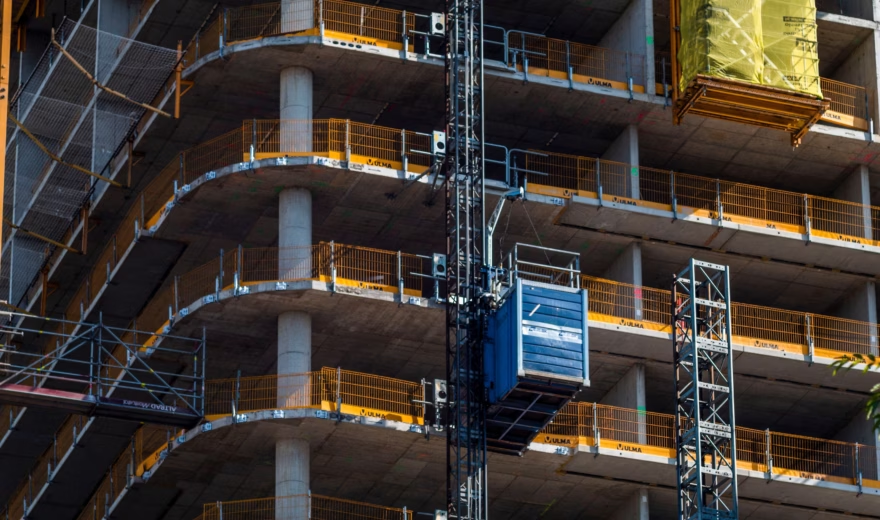
Inspection of a transport platform
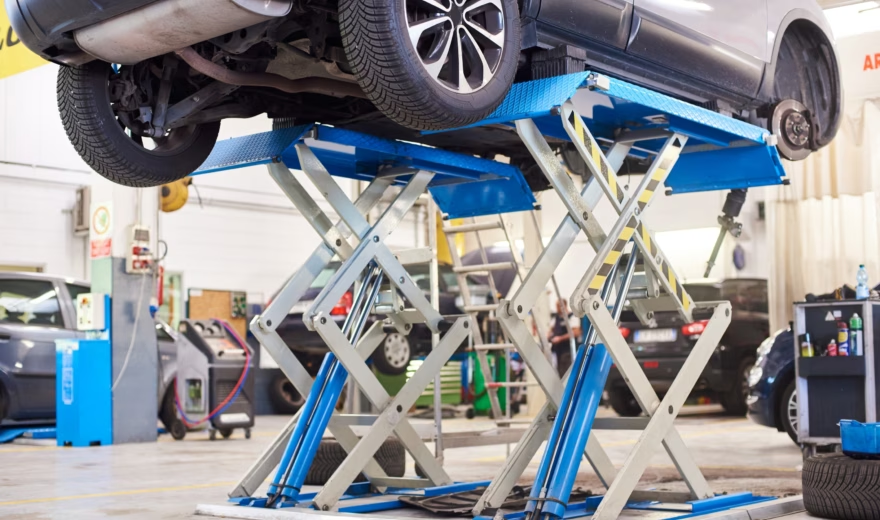
Inspection of car lifts
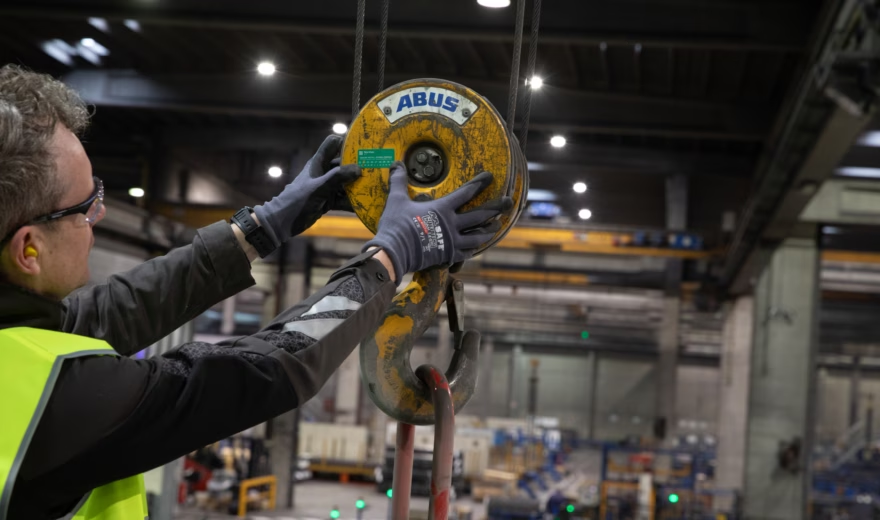
Inspections of Lifting and Material Handling Equipment
Frequently asked questions inspection of telehandlers and forklifts
-
That depends on the application. If the equipment is used for lifting people or performing hoisting operations, a pre-service inspection and periodic inspections by a certified inspection agency are required.
-
Yes. Although an independent inspection isn’t always required, many organizations choose to have their equipment inspected anyway. This gives them added assurance regarding safety and technical condition.
-
Our inspectors assess, among other things, the general condition of the equipment, the safety features, the stability, and—where applicable—the operation of the load limiter and load moment limiter.
-
Please have the user manual, any load charts, and the CE certificate available. For an initial inspection by Normec, we also request the previous inspection report.
-
Make sure the equipment is clean, ready for use, and safely accessible. In addition, a qualified operator must be present, and the necessary documents must be available.
-
Normec doesn’t just look at the equipment itself, but also at how it’s used. This gives you clarity on the right inspection approach and assurance that your equipment is being used safely.