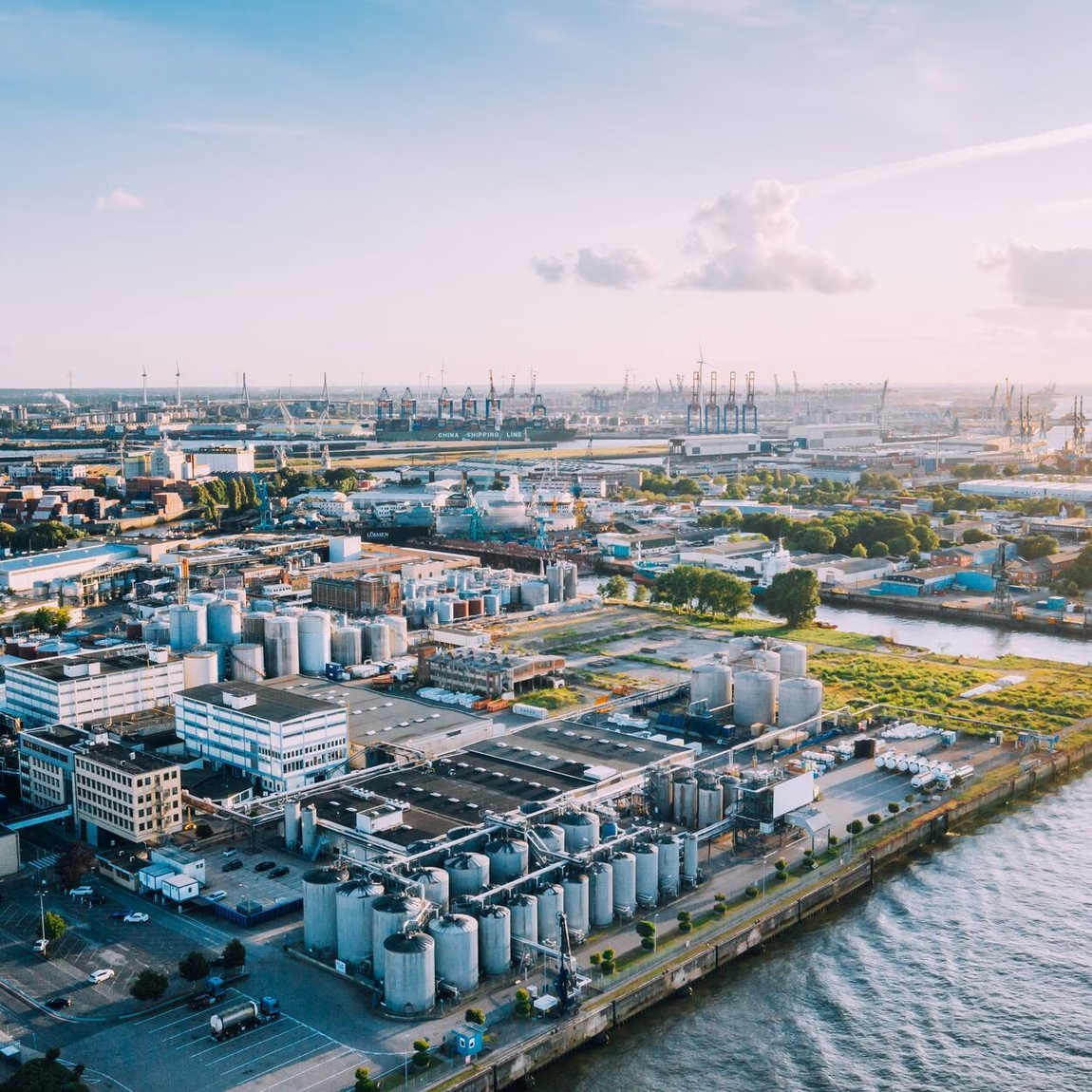
At 88 of the 776 locations in the Netherlands where wastewater is treated, an increased risk of the growth and spread of Legionella bacteria had previously been identified. “New research shows how Legionella can also spread to the surrounding environment via tiny water droplets,” said epidemiologist Petra Brandsema of the RIVM, who contributed to the study.
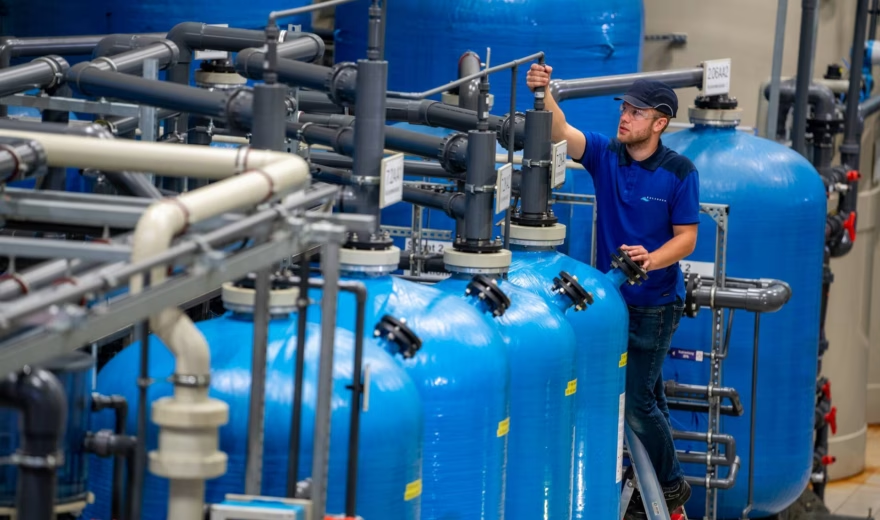
“Wastewater treatment plants always have a water basin. This basin of water is aerated, creating a sort of whirlpool. Those bubbles create water droplets—aerosols—that may contain Legionella bacteria. These droplets can drift not only within the wastewater treatment plant but also to nearby homes,” explains Brandsema.
If Legionella enters the water, the bacteria can become aerosolized. People in the vicinity can then inhale the Legionella and become infected. Symptoms of Legionnaires’ disease range from a simple flu to a severe lung infection, known as Legionnaires’ disease. This disease can be fatal.
Number of Infections on the Rise
The number of Legionella infections in the Netherlands has risen from 300 in 2013 to 600 in 2018. The RIVM found that these patients had been exposed to a higher-than-average level of aerosols found, among other places, in wastewater treatment plants. It is therefore possible that they became ill due to water particles from the treatment plants.
The RIVM is also proposing measures to prevent the spread of the bacteria. These include covering the water basins or filtering the air around the basins with UV radiation. Which measures are appropriate must be assessed on a per-water-treatment-plant basis. “First, the risk of Legionella spread must be assessed for each plant,” said Brandsema.
Measures have already been taken or are being implemented at many plants
Measures have now been taken at many plants, or preparations for them are already underway. “All sewerage companies have already implemented protective measures, and industrial wastewater treatment plants are also working on this,” says Brandsema.
Legionella can also be spread through hot tubs and so-called wet cooling towers (systems that use water mist to cool a building). According to the RIVM, the cause of infection for most patients remains unknown, partly because a large proportion of them contracted the infection abroad.
Source: nu.nl