
Accessibility links Skip to main content

Building Safety in Practice: 5 Key Considerations for Facility Management

An elevator that unexpectedly goes out of service. An inspection report that can’t be located right away. An emergency system whose battery has reached the end of its service life without anyone noticing. For a facility manager or building manager, the challenge rarely lies in a single technical issue. In facility management, building safety primarily requires an overview of technical systems, inspections, documentation, and follow-up.

Continue reading
People are discussing documents at a conference table with laptops and notes. The image depicts collaboration, project management, quality management, and decision-making within a professional work environment.

Buildings are constantly changing. Technical systems are modified or expanded, components age, maintenance is performed, and new applications are added. At the same time, periodic inspections must be conducted on time, documents must remain available, and identified issues must be addressed.

How do you, as a facility manager, keep track of all these aspects of technical building management?

The passenger elevator is a good practical example. It’s a single system, but one with various technical components, environmental factors, documents, and follow-up requirements.

1. Examine the components behind your technical systems

Modern elevators are equipped with systems that must be able to function even during a power outage. The emergency controls, for example, may use continuously powered batteries or a UPS (Uninterruptible Power Supply).

Batteries and UPS systems have a limited service life. Regular inspection is therefore important. If the required emergency power supply fails during the inspection, this will result in a negative inspection result for the elevator.

Emergency communication with the emergency response service also requires attention. The modem used for this purpose is also battery-powered. That battery must function properly when needed.

For a building manager, it is therefore important not to focus solely on the elevator as a whole. The components that support its safe operation also require monitoring.

This principle applies more broadly to building safety: a single technical system may consist of multiple components, each of which requires maintenance, inspection, or monitoring.

2. Building safety does not stop at the system itself

The environment in which a technical system is located can also affect its safe use and operational continuity.

For elevators, for example, adequate landing lighting is important. Insufficient lighting on the landing increases the risk of tripping.

Flooding in the building can also affect the elevator system. The elevator shaft is located at least 1.50 meters below the lowest landing floor. As a result, the shaft can act as a collection point for water in the event of flooding. It is therefore important for building managers to monitor potential water seepage or flooding around the elevator system.

The temperature in the machine room also warrants attention. High temperatures can cause the elevator to go into safety mode and interrupt operation. Especially during hot periods, this is therefore not only a technical concern but also a matter of availability and continuity.

For facility management, it is therefore helpful not to view technical systems in isolation.

3. Good facility management starts with control over documentation

Managing a safe elevator means more than just paying attention to the system itself. Maintaining the proper documentation is also the operator’s responsibility.

The Royal Decree on elevator safety stipulates that the operator is responsible for:

  • the risk analysis reports;
  • documents regarding modernization programs and their implementation;
  • records of preventive maintenance performed over the past 10 years;
  • the reports on preventive inspections from the past 10 years;
  • the user manual, including instructions for manual and emergency operation;
  • the maintenance instructions;
  • if applicable: the EC Declaration of Conformity.

For facility management, this presents a very practical challenge: when information is scattered across email inboxes, local folders, maintenance companies, inspection agencies, and various colleagues, a simple question can unexpectedly take a lot of time.

Can we demonstrate today what was inspected, when it took place, and what follow-up was required?

This makes document management an essential part of building safety and technical building management.

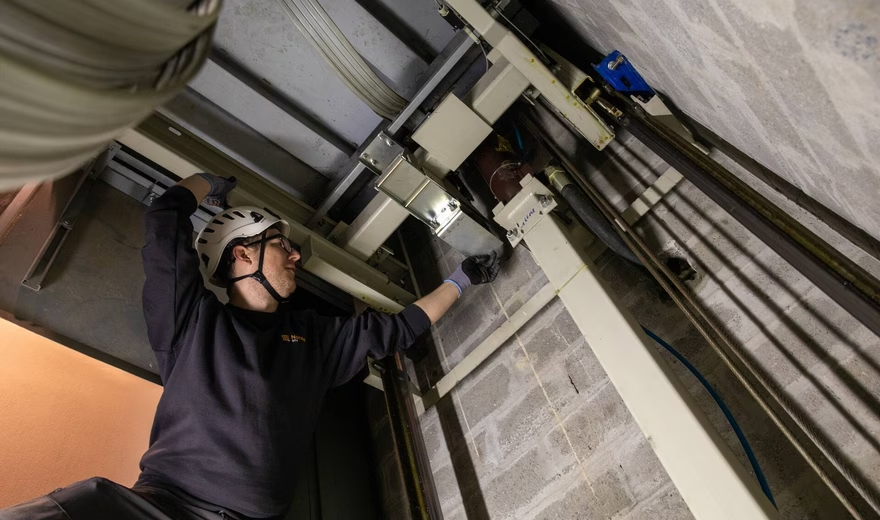
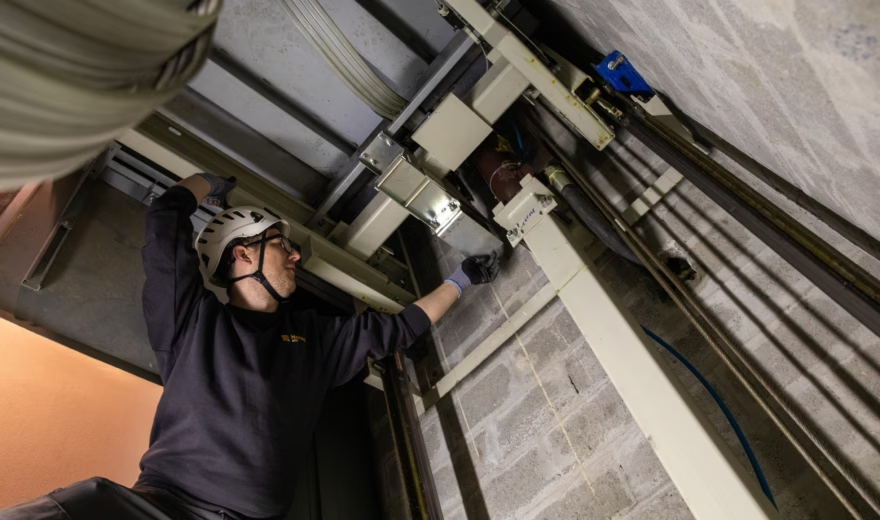
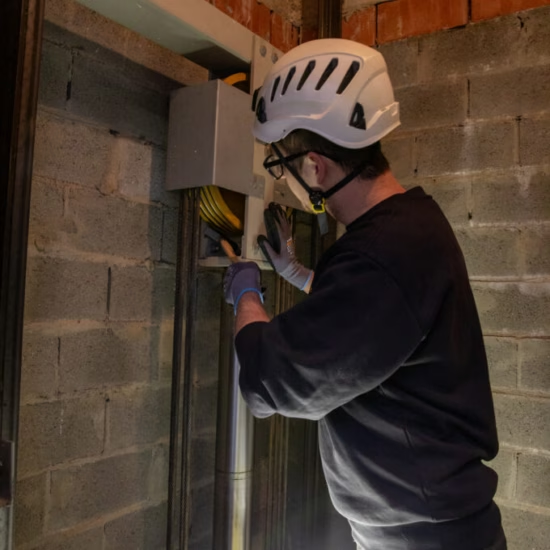
A person wearing a safety helmet and gloves is performing an inspection or installation on an elevator system in an unfinished building, with a focus on safety, technical aspects, and quality control.

4. Turn inspection follow-up into a process

A periodic inspection is just one point in the much longer lifecycle of a technical system.

After an inspection, issues may arise that require further follow-up. Meanwhile, preventive maintenance continues, systems may be modified, and the next inspection dates draw nearer.

Those who manage multiple systems or buildings therefore have several cycles running concurrently.

For facility management, it’s therefore not just about knowing when the next inspection will take place. You also want to be able to quickly answer four questions:

  • What’s the current status? Which critical technical systems do we manage?
  • What’s coming up? Which inspections, maintenance schedules, or actions need to be planned?
  • Where is the documentation? Where can we find the most recent reports and technical documentation?
  • Who takes the next step? Who is responsible for outstanding issues?

When that information is scattered across calendars, spreadsheets, email inboxes, and various people in charge, follow-up quickly becomes dependent on specific individuals. And that’s exactly where fragmentation arises.

5. Building Safety in Facility Management: Bring Everything Together in a Single Overview

Ultimately, an elevator is just one component of a building.

Depending on the environment, a facility team also manages electrical systems, charging stations, solar panel systems, fire safety equipment, lifting equipment, and other technical systems. Each area has its own points of attention, documents, and follow-up schedules.

And buildings are constantly changing. A charging station is added. An electrical panel is expanded. An elevator is modernized. A technical room is repurposed.

These changes, in turn, can impact inspections, documentation, planning, and further follow-up.

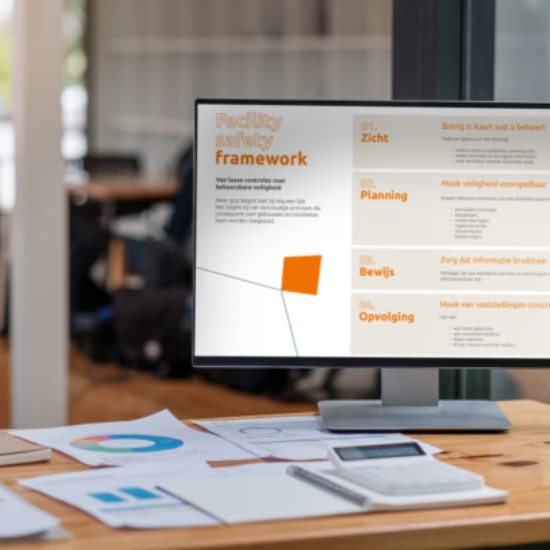
That’s why getting a handle on building safety doesn’t start with yet another separate checklist. It starts with a fixed structure that allows you to answer the same questions across different systems, buildings, and locations.

Visibility. Planning. Evidence. Follow-up.

In this way, technical building management shifts from reacting when issues arise to maintaining systematic control over the safety of your buildings.

How much control do you have over your building safety today?

As the number of buildings, technical systems, and stakeholders grows, follow-up becomes more complex.

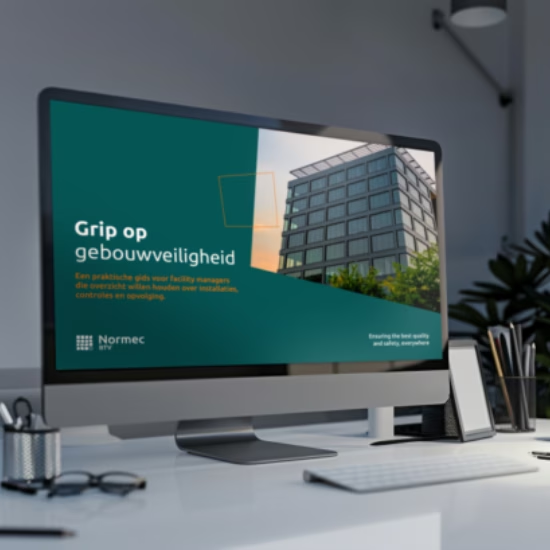
That’s why Normec BTV developed the practical guide “Taking Control of Building Safety in Facility Management.” It’s not just another technical checklist, but a practical framework that allows you to critically assess your current approach.

In the guide, you’ll discover how to bring more structure to the technical safety monitoring of your buildings:

  • identify critical systems per building or site;
  • structure key inspection and monitoring points;
  • keep reports and technical information usable and easily retrievable;
  • incorporating changes to systems into your monitoring process;
  • translate findings into concrete actions.

The guide summarizes this in four pillars: visibility, planning, evidence, and follow-up.

Curious about what Normec BTV can do for you?

Contact us

Please complete the form and we will contact you shortly.

Contact
Address details
Subject 
Privacy statement 
Customer Portal

Related Articles

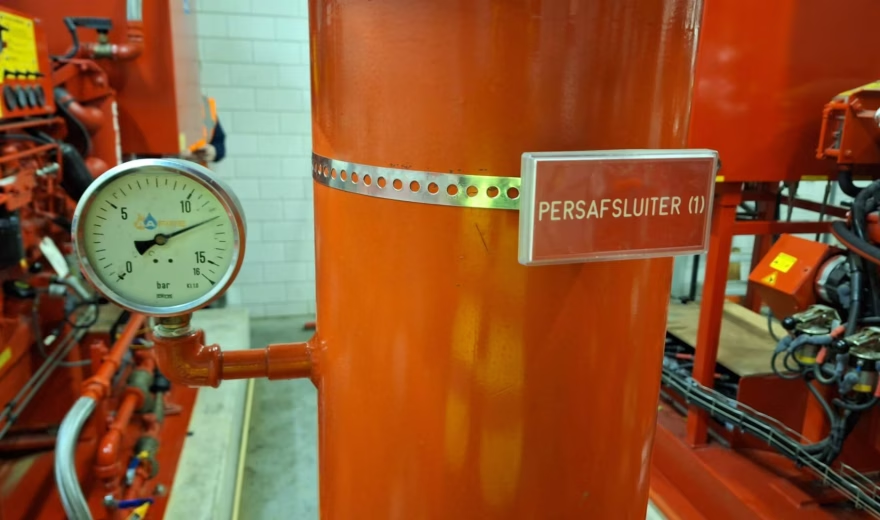
Pressure relief valve on an orange piping system with a pressure gauge in a utility room.
03 Jun 2026

Inspection of compressed air systems in Belgium: compressed air tanks and requirements by region

Many companies use compressed air tanks to store compressed air. Because these compressed air systems are under pressure, they pose certain risks. Corrosion or a defective safety valve can have serious consequences for people, the environment, and business continuity. To ensure safety and comply with environmental regulations, companies in Belgium must have their compressed air tanks inspected. However, the specific requirements vary by region: Flanders, Brussels, and Wallonia each have their own regulations. This article provides a clear overview of the most important requirements and key considerations in the three regions.
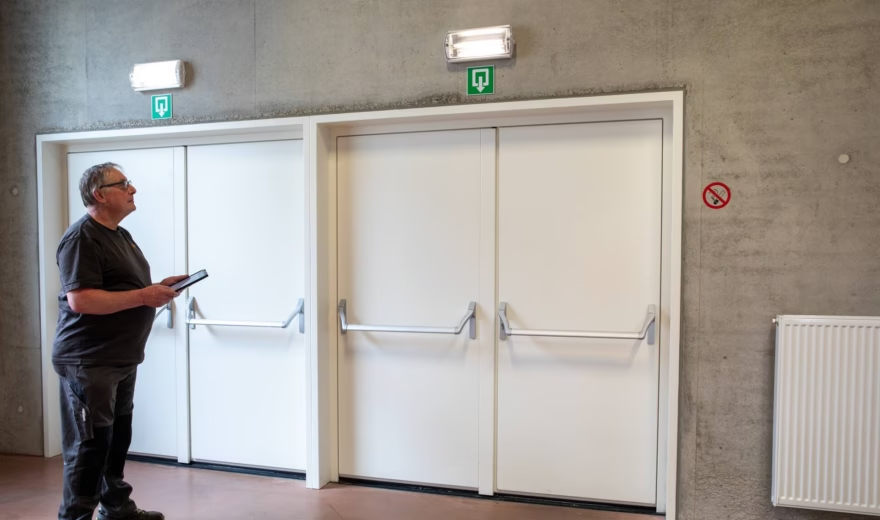
An inspector checks emergency doors and escape routes in a building using a tablet.
12 Mar 2026

Emergency Lighting Inspection: When Is It Required in Belgium?

When a building is suddenly plunged into darkness—due to a fire, power outage, or other malfunction—emergency lighting is often the only system left to provide guidance. Yet in practice, we find that organizations in Belgium often overlook the inspection of emergency lighting. Implementation is particularly behind schedule in Wallonia. Yet various regulations explicitly require this inspection, such as the Walloon Tourism Handbook. This creates a risk for many organizations. This is not because organizations ignore safety, but because fire safety requirements are fragmented and difficult to keep track of.

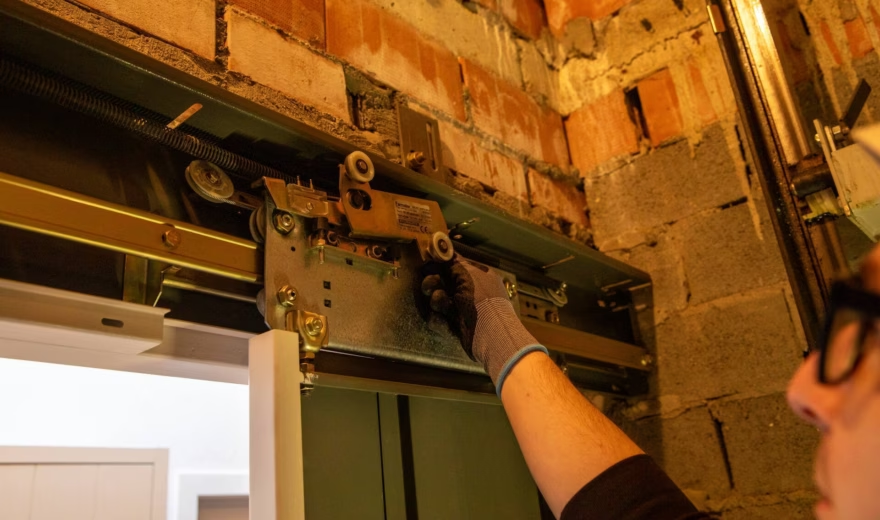
A technician is inspecting or adjusting a door mechanism in an existing masonry structure.
07 Jul 2026

Want to ride the elevator with peace of mind? Normec BTV takes care of the inspection for you!

Passenger elevator inspections: preventive inspections, risk assessments, post-modernization inspections, or final inspections—Normec BTV can handle it all!

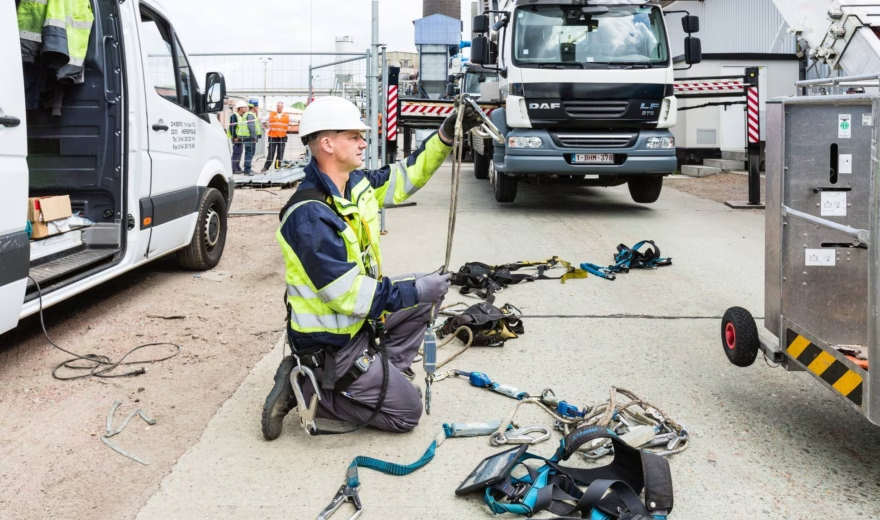
A technician kneels at a construction site and inspects lifting and fall protection equipment next to company vehicles and a truck.
29 Jun 2026

Inspecting Personal Protective Equipment: Why PPE for Fall Protection Is Often Overlooked

Inspecting personal protective equipment (PPE) is an essential part of working safely at heights. Yet in many organizations, safety harnesses, lanyards, and other fall protection PPE tend to fall by the wayside more quickly than larger pieces of equipment. This creates the risk that inspections won’t be performed on time or that an overview of the equipment will be lost.

A technician inspects an electrical switchgear cabinet with a tablet during a technical installation inspection.
03 Mar 2026

Changes to AREI 2026

At first glance, the AREI changes taking effect on April 1, 2026, may seem technical. But for you as a prevention consultant, they are primarily strategic. Because in the event of an incident, people don’t just look at the installation. They look at your follow-up procedures and demonstrable compliance. The changes primarily fall into three areas. The question is: Have you already assessed them against your current installation?

A technician performs maintenance on an industrial door or elevator system in a mechanical room.
28 May 2024

Main Causes of “C” Findings in an Elevator Inspection

The five main causes of a “C” rating during the 3- or 6-monthly preventive inspections of elevators are as follows:

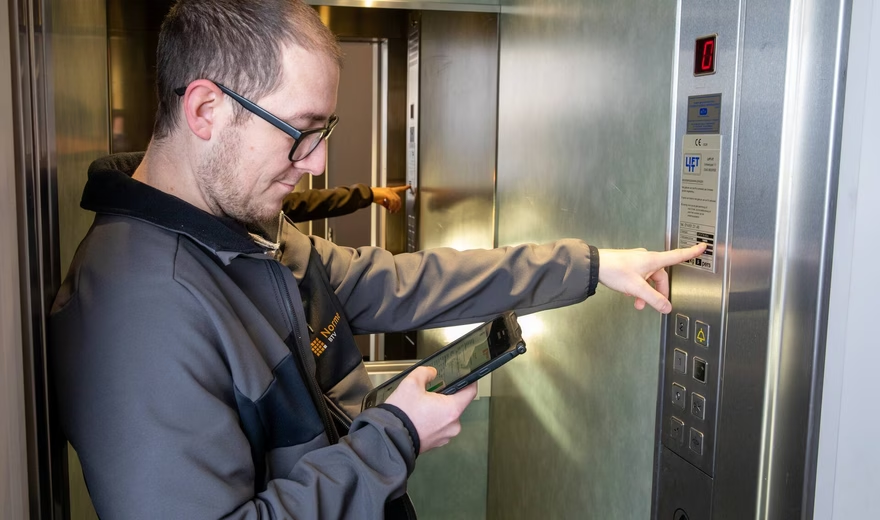
A person is conducting an elevator inspection and operating the control panel while holding a measuring device.
21 May 2024

A Week Following in the Footsteps of Our Inspector: Hitchhiking

A Week in the Footsteps of Youssef Meet Youssef Chennoufi, one of the key members of our Brussels elevator team. Together with his colleagues, he braves the daily hustle and bustle of the Brussels-Halle-Vilvoorde region to ensure you can step into an elevator with complete peace of mind. How does he do it? You’ll find out in this article about his workweek.

Related Services

An inspector who inspects a passenger and freight elevator to ensure the safe operation and reliability of the elevator system.

Inspection of Passenger and Goods Elevators

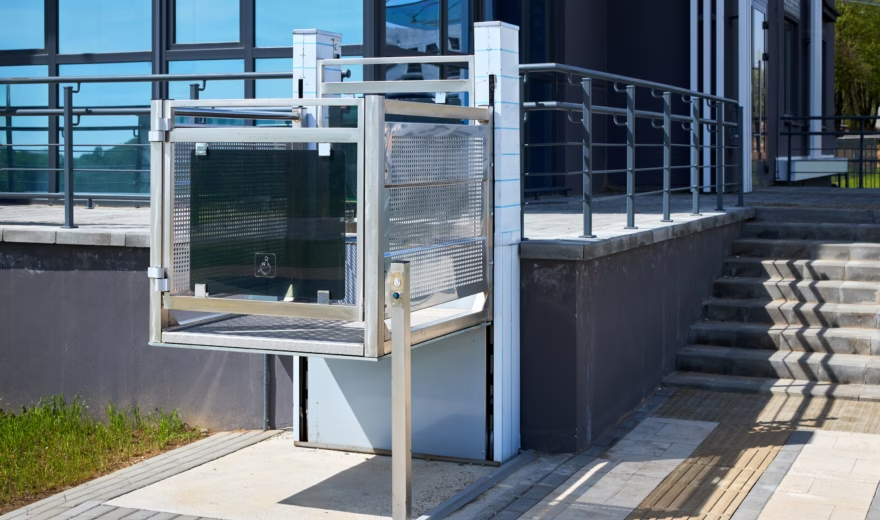
A platform lift provides accessible entry next to a staircase at the entrance of a modern building.

Elevators, Lift Platforms, and Escalators

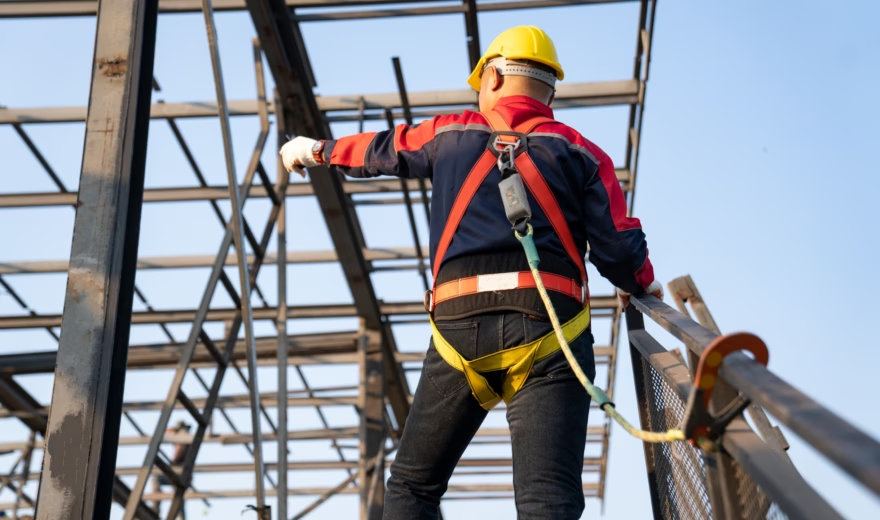
An employee wearing fall protection is performing work on a steel structure at height.

Lifeline Inspection

A technician performs maintenance work on an elevator system and adjusts technical components.

Extraordinary Inspections