

Accessibility links Skip to main content

Inspection of Lifting and Hoisting Equipment: How Do You Keep Track of It All?

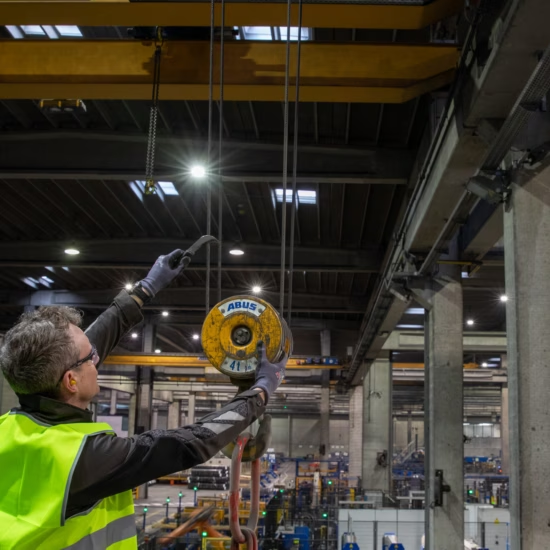
An overhead crane in the production hall, a hoist in the maintenance department, and lifting equipment in the warehouse. The more lifting and hoisting equipment your organization uses, the more complex the inspection schedule becomes—especially when this equipment is spread across multiple departments or production sites.

Continue reading
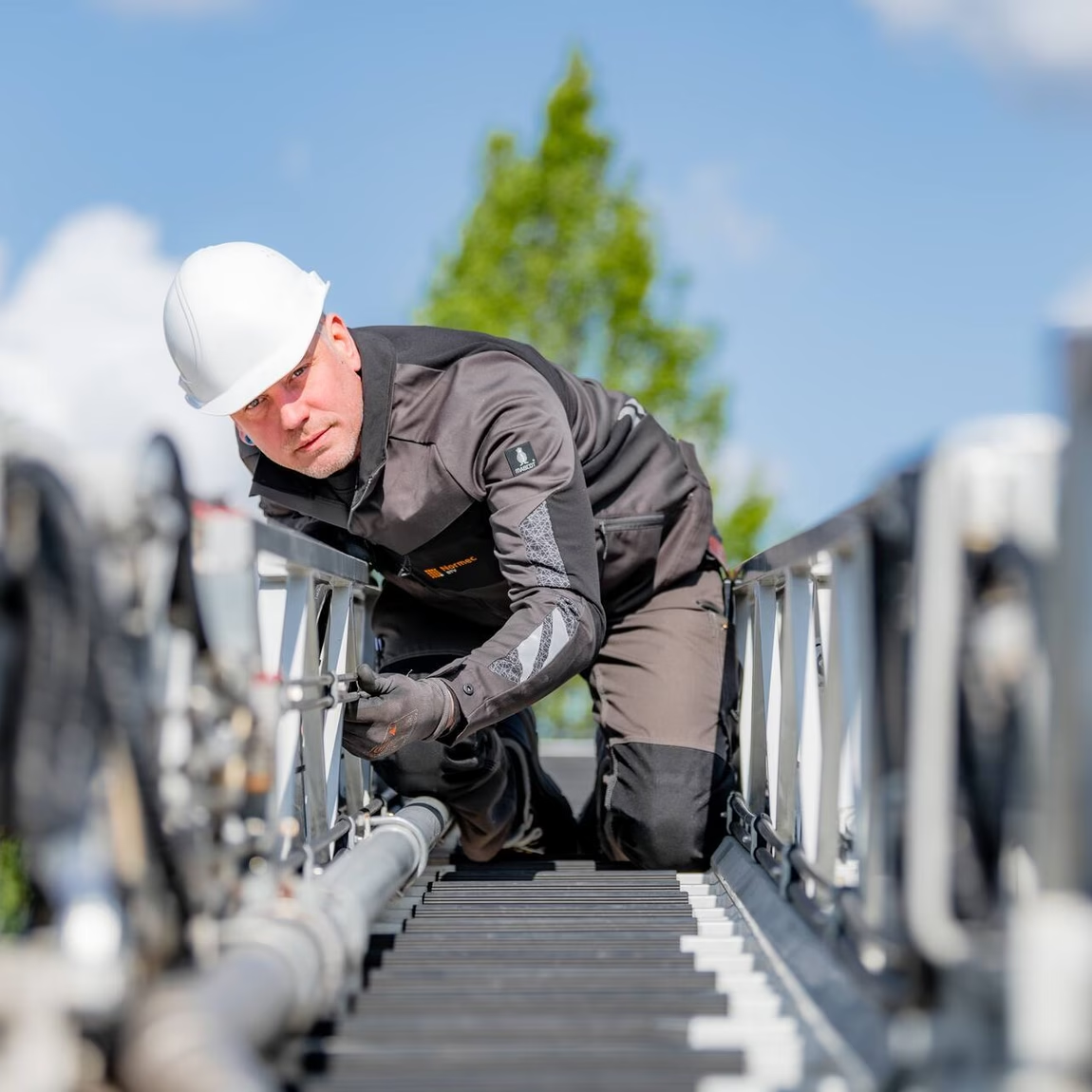
A technician is inspecting an industrial installation at height and checking the piping.

For technical supervisors, maintenance managers, and safety advisors, it can therefore be a challenge to maintain a complete overview. 

After all, do you know:

  • which lifting and hoisting equipment has been inspected at any given time?
  • When the next inspections are scheduled?
  • where the corresponding reports can be found?

From Individual Inspections to an Overview of the Entire Fleet of Machinery

For a technical manager, an inspection is rarely an isolated event.

Factors such as production scheduling, equipment availability, access for the inspector, and follow-up on any findings must be taken into account.

If your organization has multiple departments or production sites, this adds even more challenges.

One department maintains its own schedule. Another stores inspection reports locally. The safety officer monitors legal requirements, while the maintenance team primarily ensures the operational readiness of equipment.

Everyone fulfills their responsibilities, but they do not necessarily have the same overview.

And that is precisely where fragmentation can arise.

Three Common Challenges in Industrial Environments

  1. 1.

    Aligning Inspections with Production Scheduling

    You can't just clear a rolling bridge that's in daily use at any given moment.

    When inspections are scheduled at the last minute, it becomes more difficult to coordinate them with the operational schedule.

    Timely preparation helps to better organize inspection times and minimize unnecessary disruptions to operations.

  2. 2.

    Inspection information spread across various departments

    - Where is the most recent inspection report for the overhead crane in Hall B?

    - Who is following up on the comments from the last inspection?

    - And does everyone have the same overview?

    If those answers are scattered across different files, email inboxes, or contacts, it takes longer to find the right information.

    A centralized, accessible tracking system provides greater clarity.

  3. 3.

    Devices and accessories that go out of view

    Large systems such as overhead cranes typically receive a great deal of attention.

    But smaller hoists, mobile lifting equipment, and lifting accessories are also used extensively in industrial settings.

    Some are moved between departments. Others are mainly used for maintenance work or temporary tasks.

    When they are not included in the general inventory, tracking them becomes much more difficult.

How do you organize the periodic inspection of lifting equipment?

Effective inspection planning starts with a clear overview. That’s why we’ve outlined four steps to help you maintain that overview.

Four Steps to Better Traction

  1. 1.

    Take Inventory of Your Equipment

    Maintain an up-to-date inventory of the relevant lifting and hoisting equipment, preferably by department or site.

  2. 2.

    Make the inspection schedule transparent

    Identify the following checks in a timely manner and coordinate them with the relevant departments.

    This will enable maintenance, production, and prevention to collaborate more effectively.

  3. 3.

    Make sure inspection reports are easy to find

    An inspection report only has real operational value when the right employees can access it quickly.

    Therefore, establish clear guidelines regarding where documents are stored and who is responsible for following up on them.

  4. 4.

    Define responsibilities

    - Who organizes the inspections? 

    - Who receives the reports? 

    - Who follows up on comments?

    Clear agreements prevent important information from getting stuck between different departments.

Digital Access to Inspection Information

A reliable inspection partner brings peace of mind to the follow-up process

In an industrial setting, inspections must fit seamlessly into daily operations. Clearing a gantry crane or hoist requires planning, while inspection reports and follow-up items are often scattered across different departments.

Normec BTV helps you keep that follow-up organized and manageable.

By coordinating inspections with your operational schedule in a timely manner, you can better organize inspection times and minimize unnecessary disruptions.

After the inspection, you’ll have clear inspection reports and digital access to your inspection information. This allows you to find the right documents more quickly and maintain a better overview of the inspection status of your lifting and hoisting equipment.

Do you work with multiple lifting and hoisting equipment, departments, or production sites? In that case, an up-to-date overview of inspections, reports, and follow-up items helps keep your daily operations manageable.

Discover how to gain a better overview and organize your inspections more effectively.

Download the Industrial Safety Guide

Download here

Name
Role 
Privacy Policy 

Related Articles

A professional video camera is filming a scene during a low-light shoot.
07 Jul 2026

A Safe Event with Normec BTV

Whether it’s a lively festival, an impressive corporate event, or a local fair: safety always comes first. At Normec BTV, we understand this better than anyone. That’s why we offer specialized inspections for the critical components of every event. This way, you can welcome your audience with confidence and guarantee a safe event with Normec BTV!
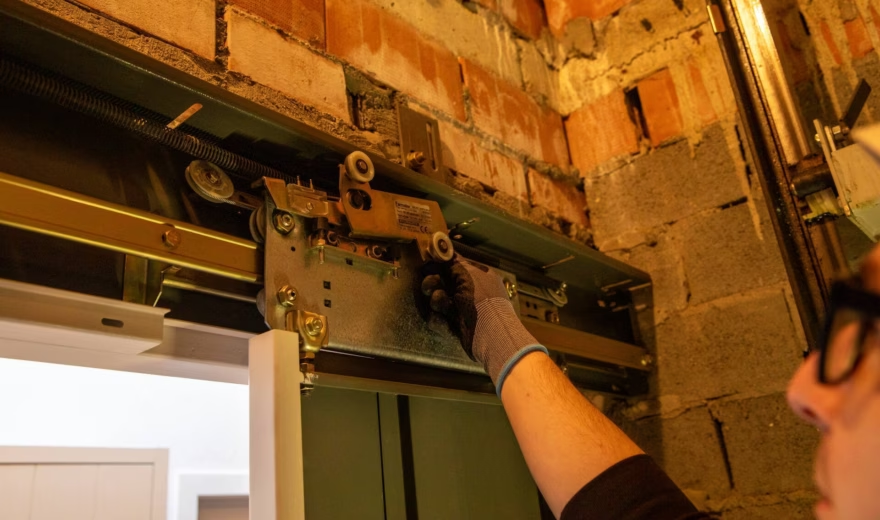
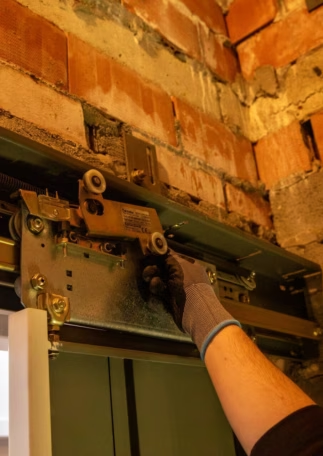
A technician is inspecting or adjusting a door mechanism in an existing masonry structure.
07 Jul 2026

Want to ride the elevator with peace of mind? Normec BTV takes care of the inspection for you!

Passenger elevator inspections: preventive inspections, risk assessments, post-modernization inspections, or final inspections—Normec BTV can handle it all!

An extendable aerial work platform with a work basket at a great height, set against a clear blue sky and clouds.
07 Jul 2026

My hoist was rejected (C decision). What should I do now?

A device that receives a negative decision (decision C or D) may no longer be used.

A technician kneels at a construction site and inspects lifting and fall protection equipment next to company vehicles and a truck.
29 Jun 2026

Inspecting Personal Protective Equipment: Why PPE for Fall Protection Is Often Overlooked

Inspecting personal protective equipment (PPE) is an essential part of working safely at heights. Yet in many organizations, safety harnesses, lanyards, and other fall protection PPE tend to fall by the wayside more quickly than larger pieces of equipment. This creates the risk that inspections won’t be performed on time or that an overview of the equipment will be lost.

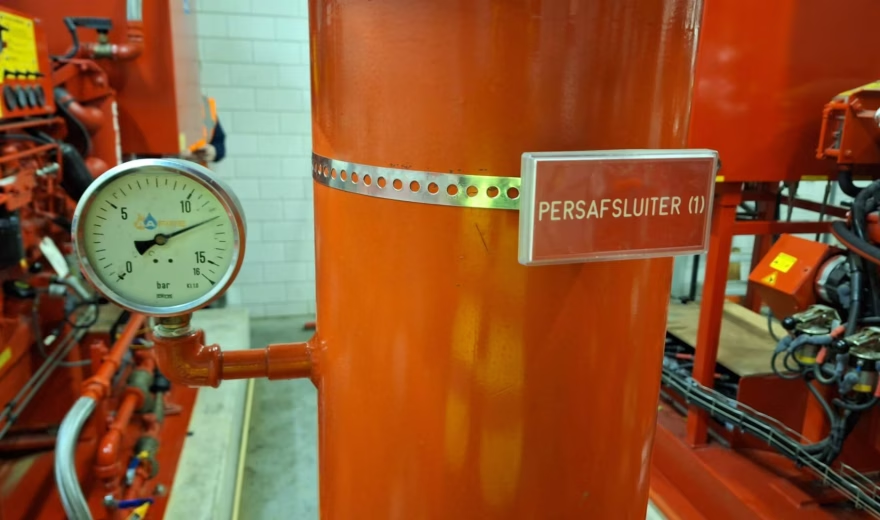
Pressure relief valve on an orange piping system with a pressure gauge in a utility room.
03 Jun 2026

Inspection of compressed air systems in Belgium: compressed air tanks and requirements by region

Many companies use compressed air tanks to store compressed air. Because these compressed air systems are under pressure, they pose certain risks. Corrosion or a defective safety valve can have serious consequences for people, the environment, and business continuity. To ensure safety and comply with environmental regulations, companies in Belgium must have their compressed air tanks inspected. However, the specific requirements vary by region: Flanders, Brussels, and Wallonia each have their own regulations. This article provides a clear overview of the most important requirements and key considerations in the three regions.

Wondering what Normec BTV can do for you?

Request a quote

Complete the form and we will contact you as soon as possible.
Naam
Privacy Policy 

Related Services

Professional inspection and certification of passenger elevators in buildings to ensure their safety, proper operation, and reliability.

Elevators

A hand presses an illuminated button on the control panel inside an elevator.

Elevators and Fall Protection

A technician performs maintenance work on an elevator system and adjusts technical components.

Extraordinary Inspections

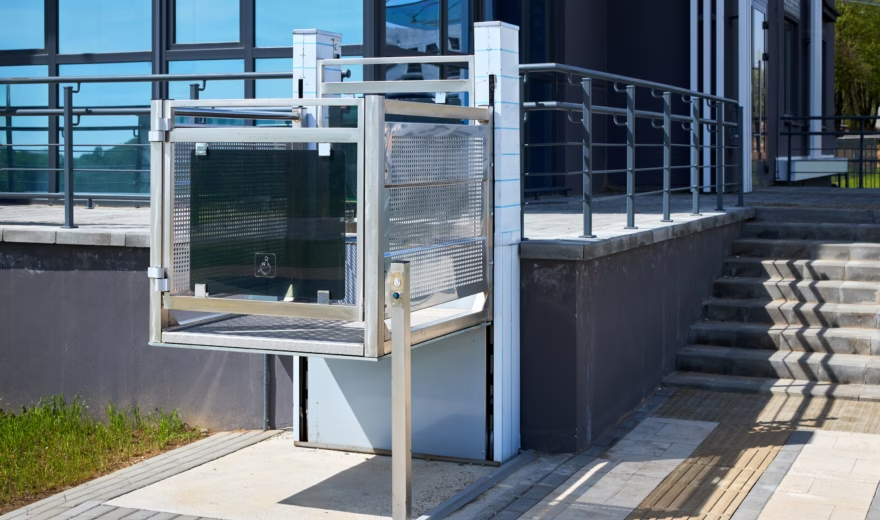
A platform lift provides accessible entry next to a staircase at the entrance of a modern building.

Elevators, Lift Platforms, and Escalators

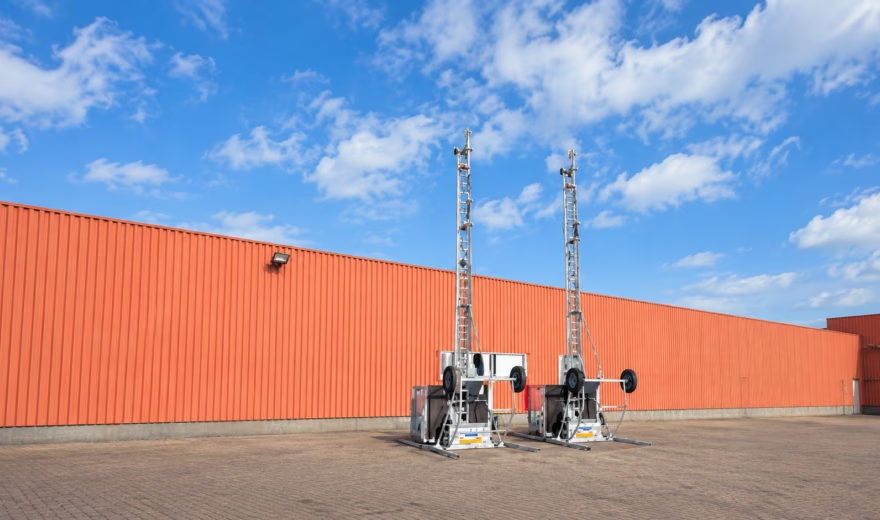
Two mobile inspection or testing units are set up in an outdoor area next to an industrial building. The image shows equipment used for inspections, measurements, quality control, and compliance testing in a technical environment.

Inspection of Material and Ladder Lifts

An inspector who inspects a passenger and freight elevator to ensure the safe operation and reliability of the elevator system.

Inspection of Passenger and Goods Elevators

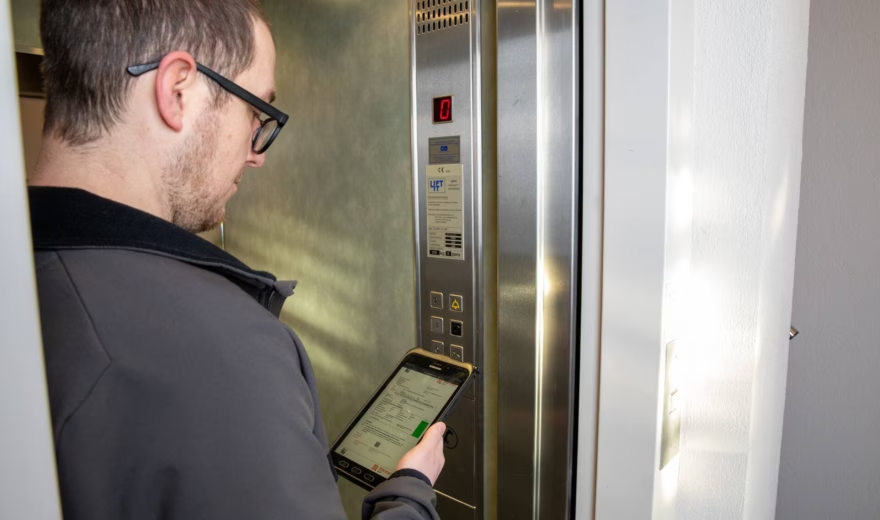
An inspector inspects an elevator system and records findings digitally during the inspection.

Inspection of passenger elevators for private use