
Accessibility links Skip to main content

PFAS in firefighting foam

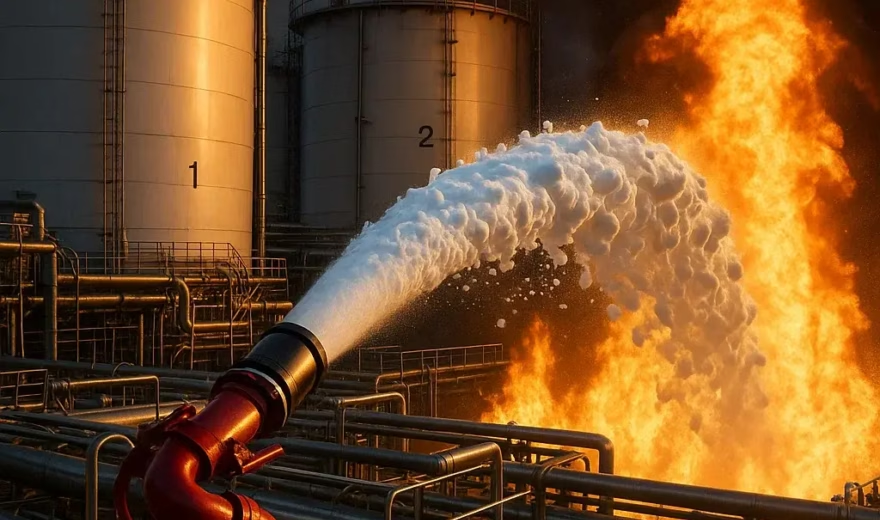
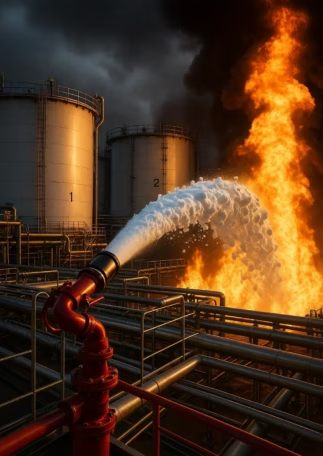
PFAS in firefighting foam: What will change starting October 23, 2026? Regulations regarding PFAS-containing firefighting foam are changing. For organizations that use firefighting foam systems, it is important to understand the foam-forming agent being used and to determine in a timely manner what steps are needed to transition to a fluorine-free alternative. Starting October 23, 2026, new requirements under European regulations for PFAS-containing firefighting foam will take effect.

Continue reading
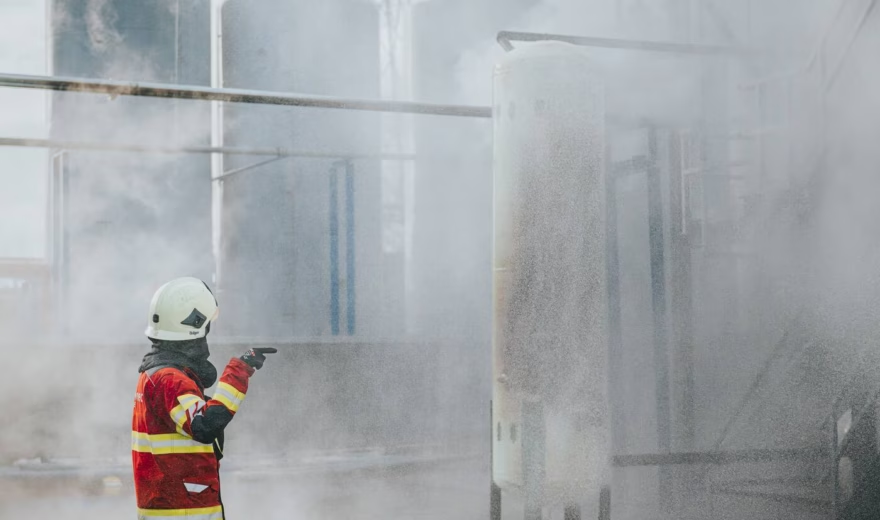
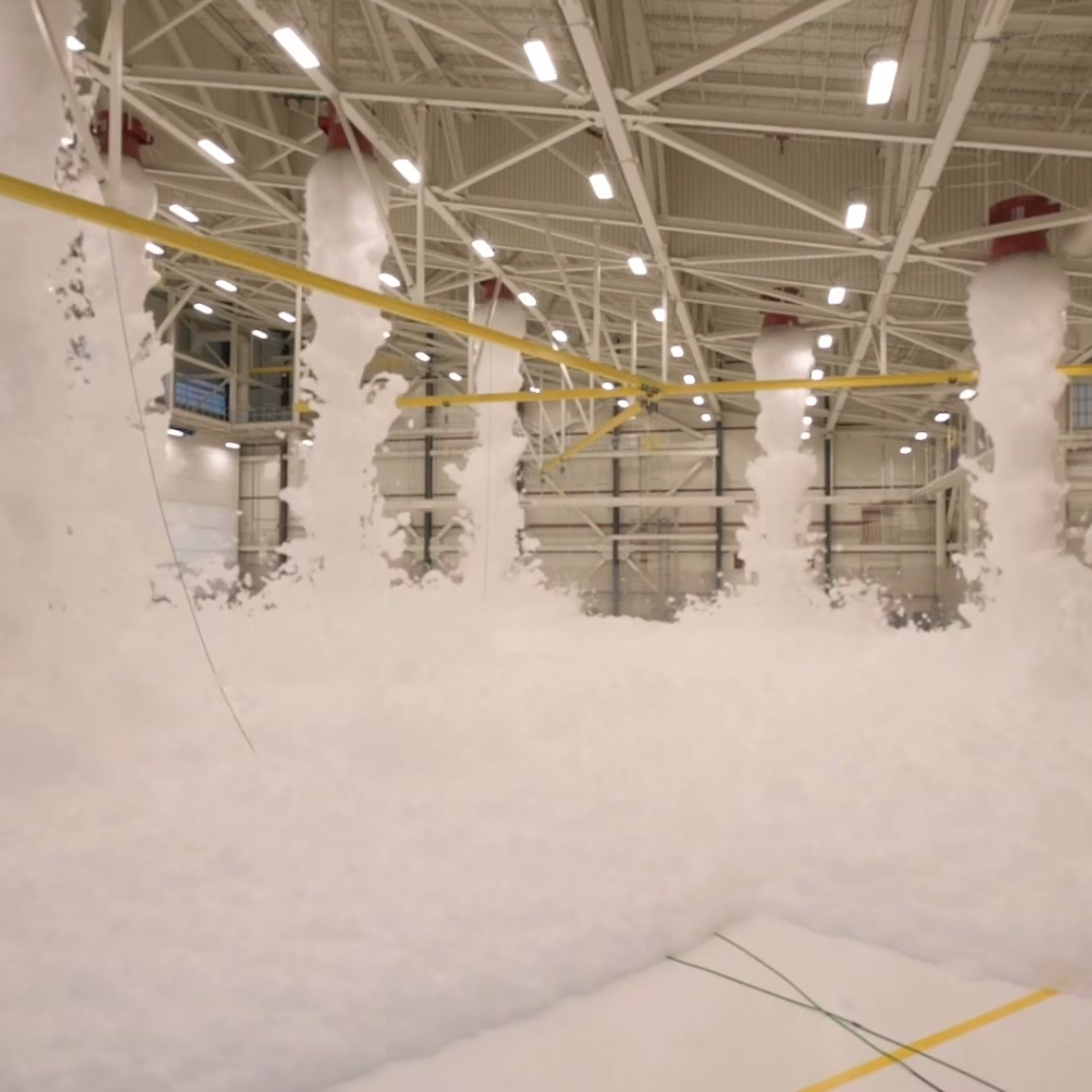
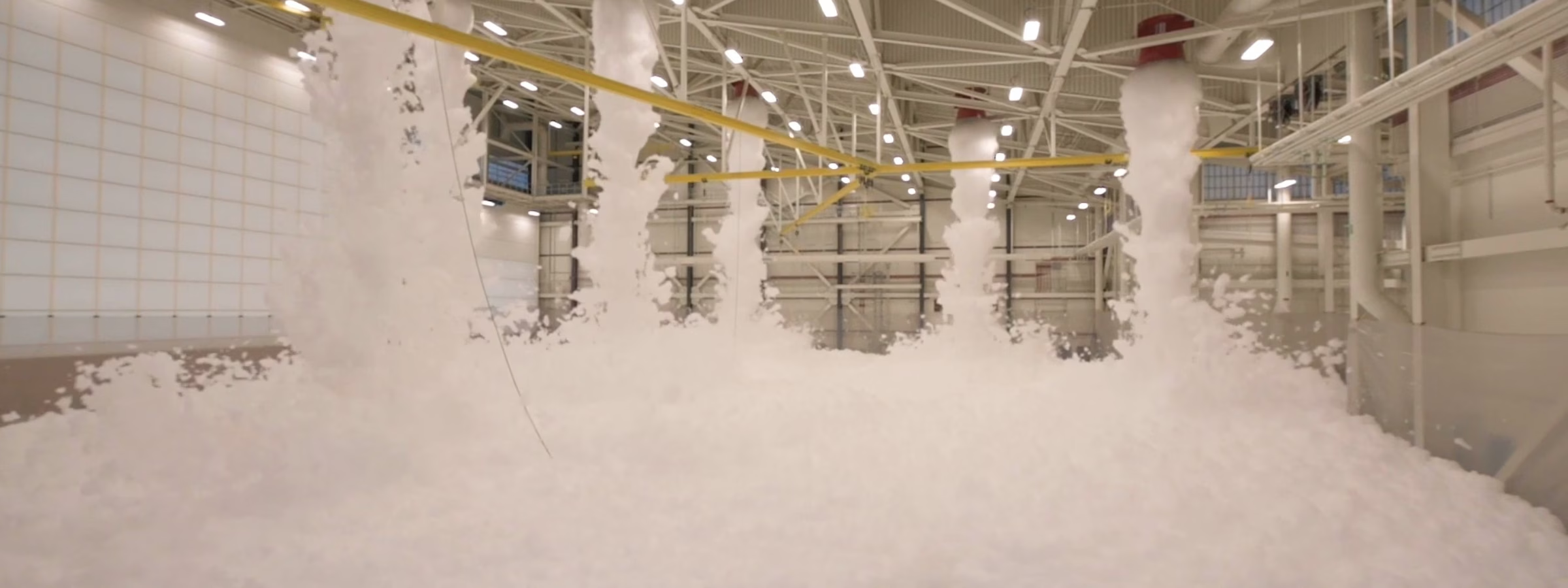
A large industrial test chamber in which white materials or particles are blown downward from multiple points. The image shows a controlled test environment for quality control, safety, and performance testing of materials or products.

What’s changing?

By October 23, 2026, at the latest, companies with one or more fire suppression foam systems must have a management plan in place under the conditions described if these systems contain PFAS-containing fire suppression foam concentrate. This may apply to fixed systems, mobile systems, and portable fire extinguishers.

The management plan must specify, among other things, the locations and quantities of PFAS-containing foam concentrate. It must also include procedures for maintenance and cleaning, as well as a strategy and schedule for transitioning to PFAS-free or fluorine-free alternatives. In addition, starting October 23, 2026, a warning requirement will apply to systems and containers containing PFAS-containing foam concentrate.

The transition requires careful preparation

The transition to fluorine-free firefighting foam goes beyond simply replacing the foaming agent. According to the fact sheet, the transition requires attention to, among other things:

  • an inventory of the existing fire-suppressing foam;
  • analysis of the foaming agent;
  • assessment of the system’s technical suitability;
  • cleaning the system;
  • validation of residual PFAS levels;
  • responsible disposal of waste streams;
  • planning for the final transition.

The applicable phase-out deadlines may vary depending on the type of organization and fire suppression system. It is therefore important to carefully assess your own situation and determine the next steps in a timely manner.

Independent Inspection of Foam Fire Suppression Systems

Foam fire suppression systems are used, among other places, in high-risk environments. For example, existing Normec FSS content mentions tank terminals, chemical storage facilities, and aircraft hangars. Factors such as the mixing ratio, supply pressure, and spray pattern are critical to the system’s operation.

Normec Fire Safety & Security conducts independent inspections of fire safety systems. Fire suppression gas, water mist, and foam systems are explicitly mentioned in Normec FSS’s range of inspection services.

Want to learn more about PFAS in firefighting foam?

Ondernemen.nl has compiled the most important information about PFAS-containing firefighting foam, the management plan, and the transition to fluorine-free alternatives in a comprehensive fact sheet.

Want to learn more about the inspection of foam fire suppression systems?

Would you like to learn more about independent inspections of foam fire suppression systems? Please contact Normec Fire Safety & Security.

Contact Normec FSS

Complete the form and we will contact you as soon as possible.
Naam
Privacy Policy 

Related articles

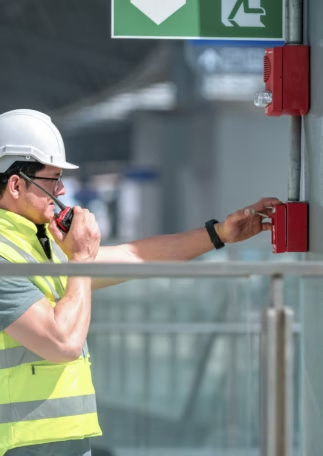
An employee tests a manual fire alarm as part of a fire alarm system in a building.
15 Jul 2025

New CCV Agreement: Sprinkler Heads May Be Retained Under Certain Conditions

The Center for Crime Prevention and Safety (CCV) has published the new harmonization agreement 2025-01. This agreement concerns the replacement of sprinkler heads during their service life. The agreement provides clarity on situations in which sprinkler heads may remain in place even after their specified service life has expired.
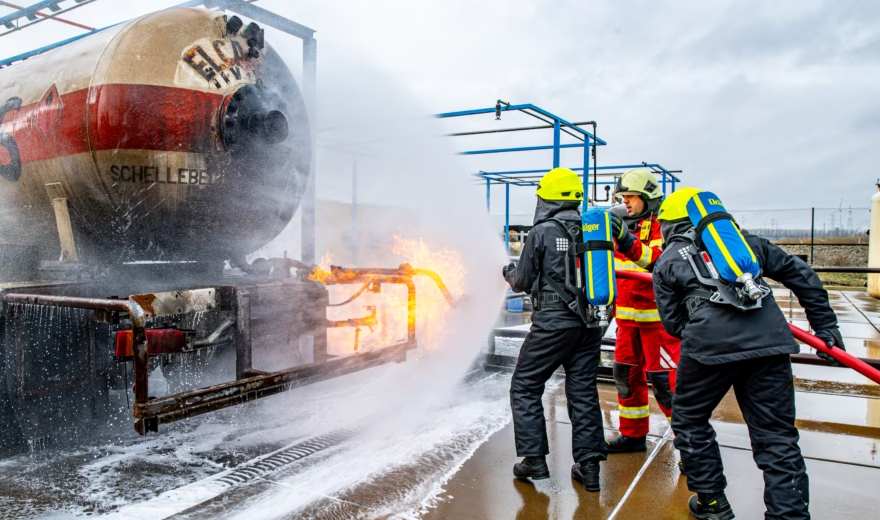
Emergency responders are fighting a fire with foam and water during an incident at an outdoor site.
15 Jul 2025

Extensive damage

In the German town of Stadtallendorf, a fire station was completely destroyed by a fire. The fire was able to spread unchecked because part of the station—which had only opened in January—did not have a sprinkler system or fire alarm. The damage is estimated at at least 20 million euros.

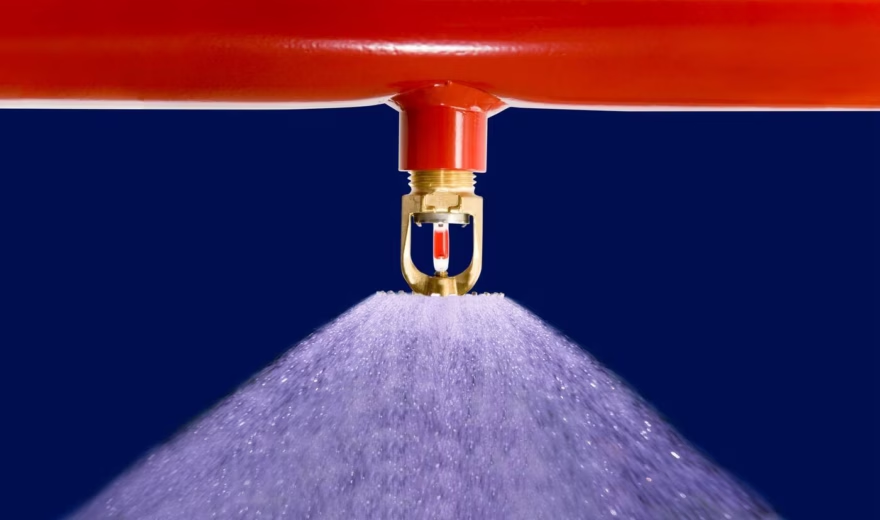
Close-up of a sprinkler head attached to a red pipe that disperses a fine mist of water. The image illustrates an automatic fire suppression system for fire safety in buildings and industrial environments.
15 Jul 2025

Preventing a Devastating Disaster

On Saturday, December 28, at the Vossenberg industrial park in Tilburg, it became clear once again just how essential sprinkler systems are for the safety of people and buildings. A fire broke out in a Tesla battery storage warehouse, but thanks to a properly functioning and certified sprinkler system, it did not escalate into a devastating disaster.

A technical staff member conducts an inspection using a tablet in an industrial production environment.
09 Sep 2026

Technical Bulletin 64-2024 on Foam Additive Dosing Systems

On October 2, 2024, the revised Technical Bulletin TB 64-2024 was published. This bulletin, titled “Foam Concentrate (SVM) Proportioning Systems,” replaces the previous TB 64B. This comprehensive revision marks an important step in clarifying and updating the application of standards regarding FMA dosing systems in all types of fixed fire sprinkler systems (VBB systems).

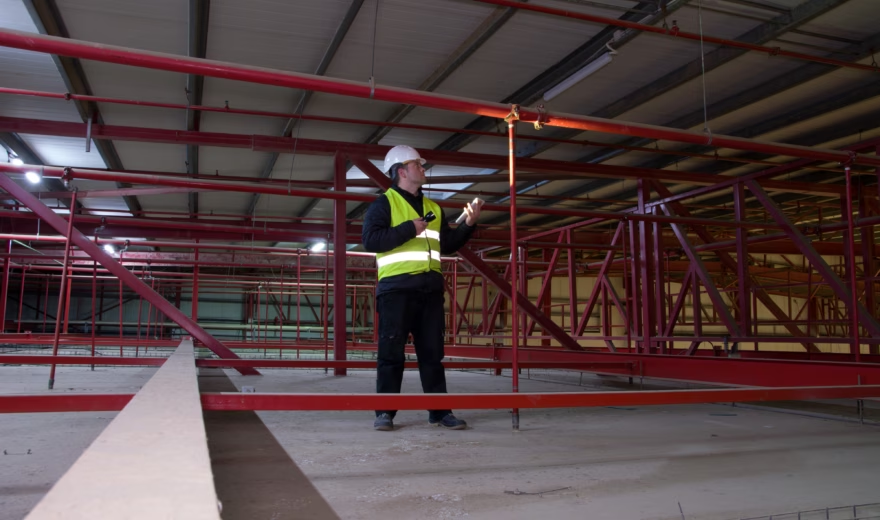
An inspection of a steel structure in an industrial setting.
15 Jul 2025

New standard published

Euralarm has published a new guideline on the impact of high airflow rates and hot/cold aisle containment on the operation of gaseous fire suppression systems in data centers. The guideline is intended for fire protection system designers, IT managers, and data center operators.

Related services

An individual operates a touchscreen on laboratory equipment to set up or monitor an analysis process.

Fire Alarm Testing and Inspections

Red industrial pipes with sprinkler heads in a fire protection system

Inspection of Fire Suppression Systems

An employee tests a manual fire alarm as part of a fire alarm system in a building.

Fire Suppression Gas System Inspection

A fire suppression monitor sprays a powerful jet of water at an industrial fire near storage tanks at a petrochemical plant.

Foam Fire Suppression System Inspection

A sprinkler system disperses water as part of a fire protection system.

Sprinkler System Inspection

A firefighter performs firefighting operations at an industrial facility during a fire safety drill or incident.

Water Mist System Inspection